
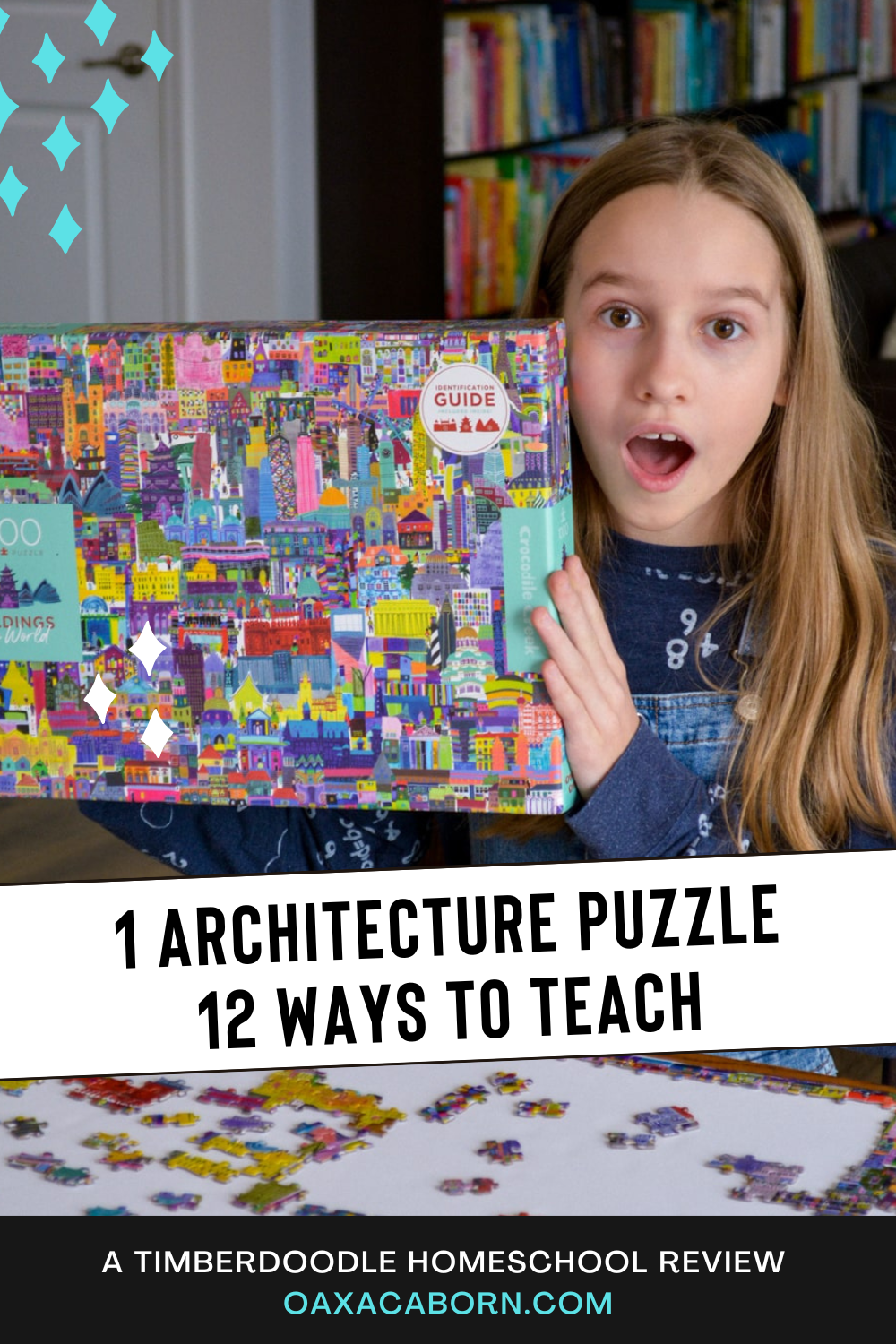
When cold weather rolls in, we get the jigsaw puzzles out. Is this true in your home, too? There’s just something about the chilly weather and cloudy skies which makes puzzles especially appealing.
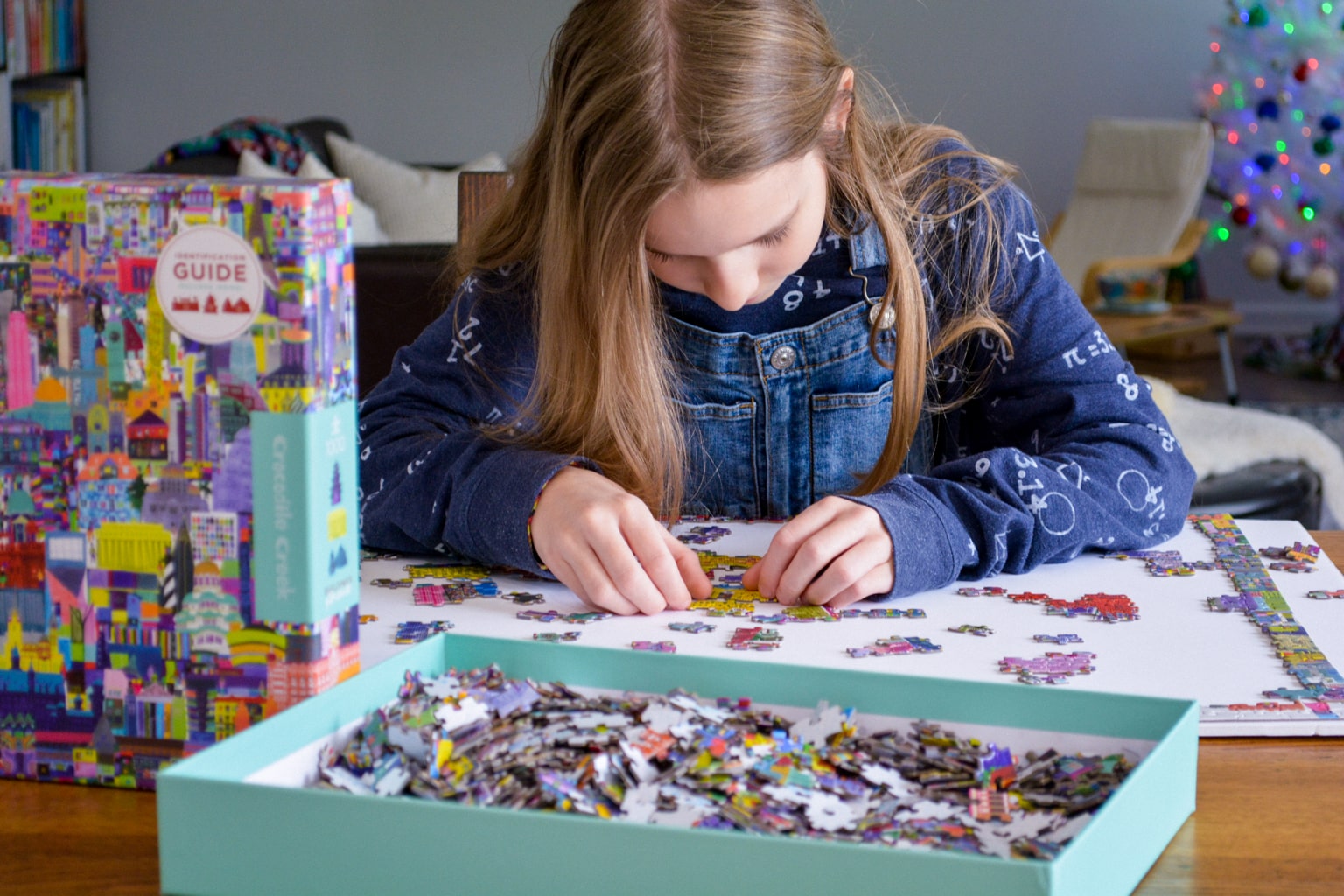
When cold weather rolls in, we get the jigsaw puzzles out. Is this true in your home, too? There’s just something about the chilly weather and cloudy skies which makes puzzles especially appealing.

There are a few hands-on educational helps which stand out strongly as huge favorites among twice-exceptional kids — putty is definitely one of those resources! My wiggly kinesthetic learner really needs things like this to keep her hands extra busy, so her brain can calm down from overdrive and actually focus.

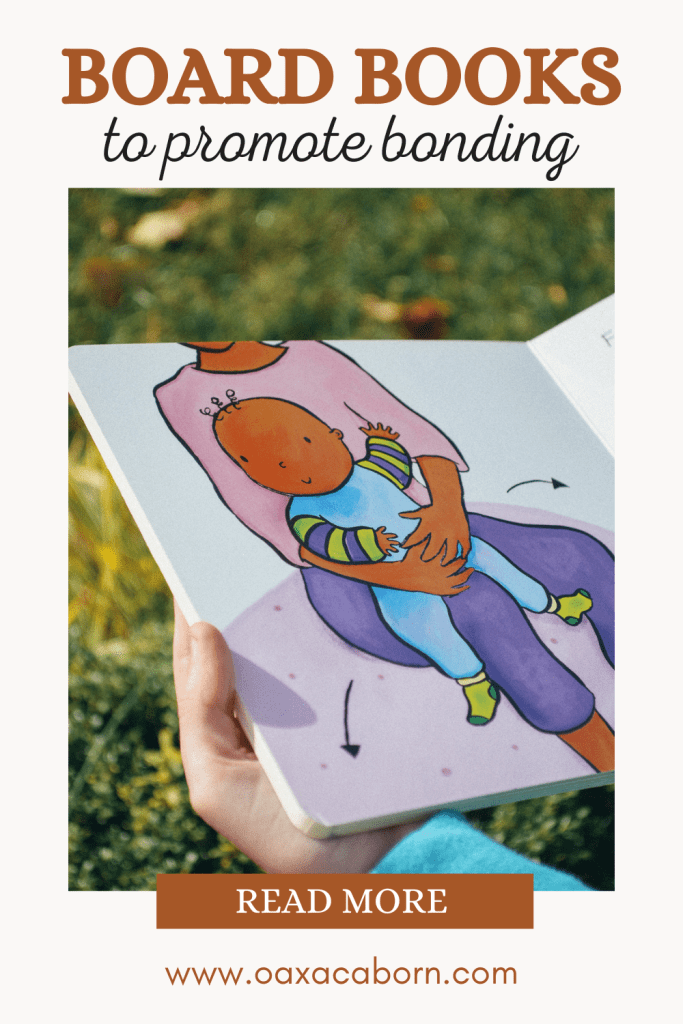
I’ve been reviewing quite a few board books lately, and I’m back with another round for the littles. These playful books are especially suited for infants, and bigger babies who aren’t quite toddlers yet.
Continue reading “Baby Gym Board Books (A Timberdoodle Review)”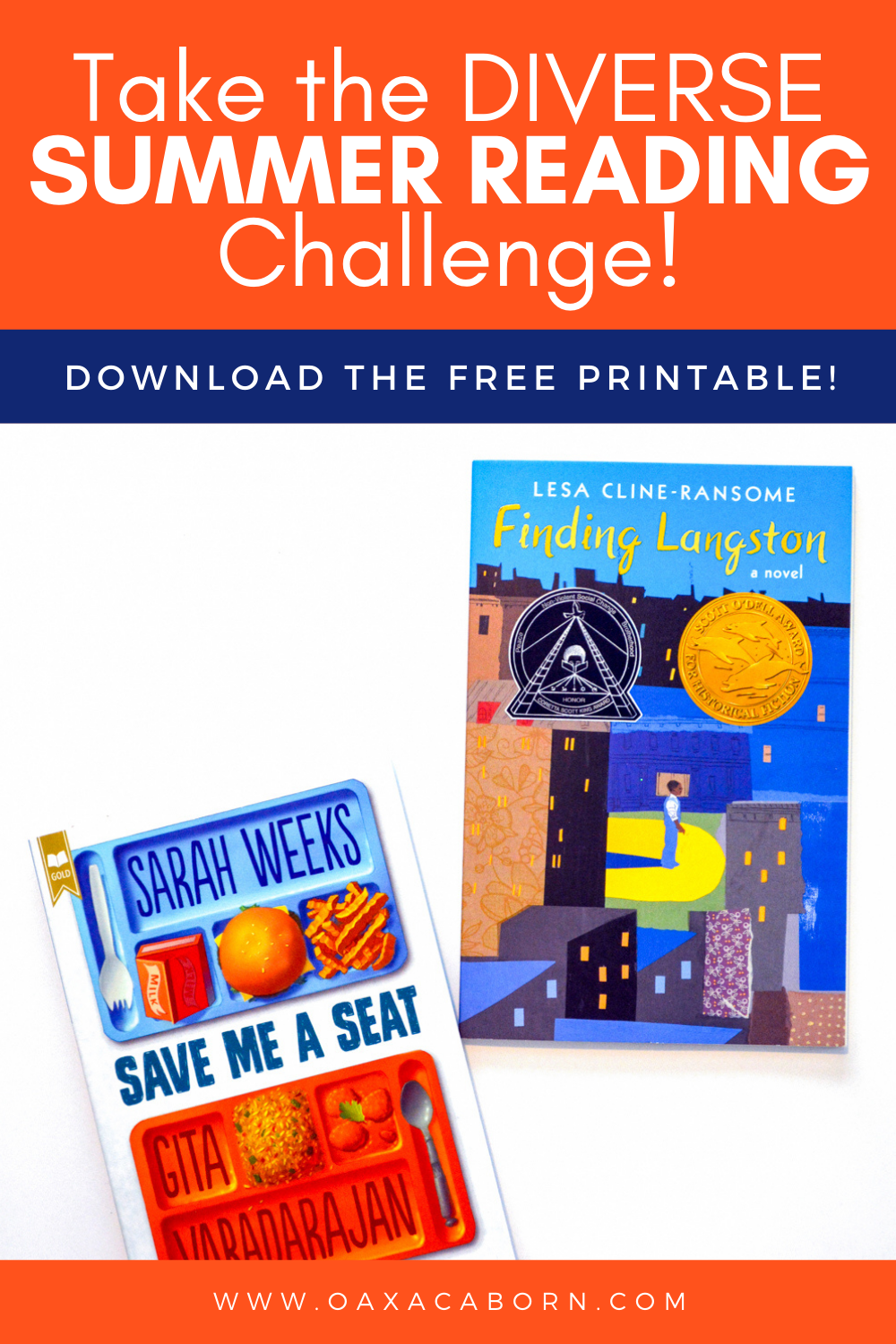
Are you looking for global and culturally diverse summer reading ideas for your kids? Do you want your kids to…
…and ultimately, grow closer to Jesus and better learn to love their neighbor?
You need to download our FREE global reading challenge!
Continue reading “Take the Diverse Summer Reading Challenge (FREE printable)!” Among certain thinkers in classical education, there exists the idea that one must strive to cultivate good taste in children, to the betterment of their eternal soul. Here’s the problem: good taste is often confused with parental preference. Poor taste is elevated to a place reserved for actual sin.
Lest you think I have imagined this — lest you think I have imagined the pedestal Christian classicists have given to taste — consider this from a prominent writer in classical education:
“One of the most important things we can offer students is good taste, by which I mean learning to love beautiful things that have lasted. Bad taste is not a personality quirk, but a significant moral problem. If our students don’t love beautiful things, we have failed them. If we are graduating students who love shallow things, they might as well go to public school.”
Bad taste is a significant moral problem? Sin is a significant moral problem. Taste is not. We cannot, and must not, equate taste with worth.
Continue reading “The Problem with Cultivating Good Taste in our Students”
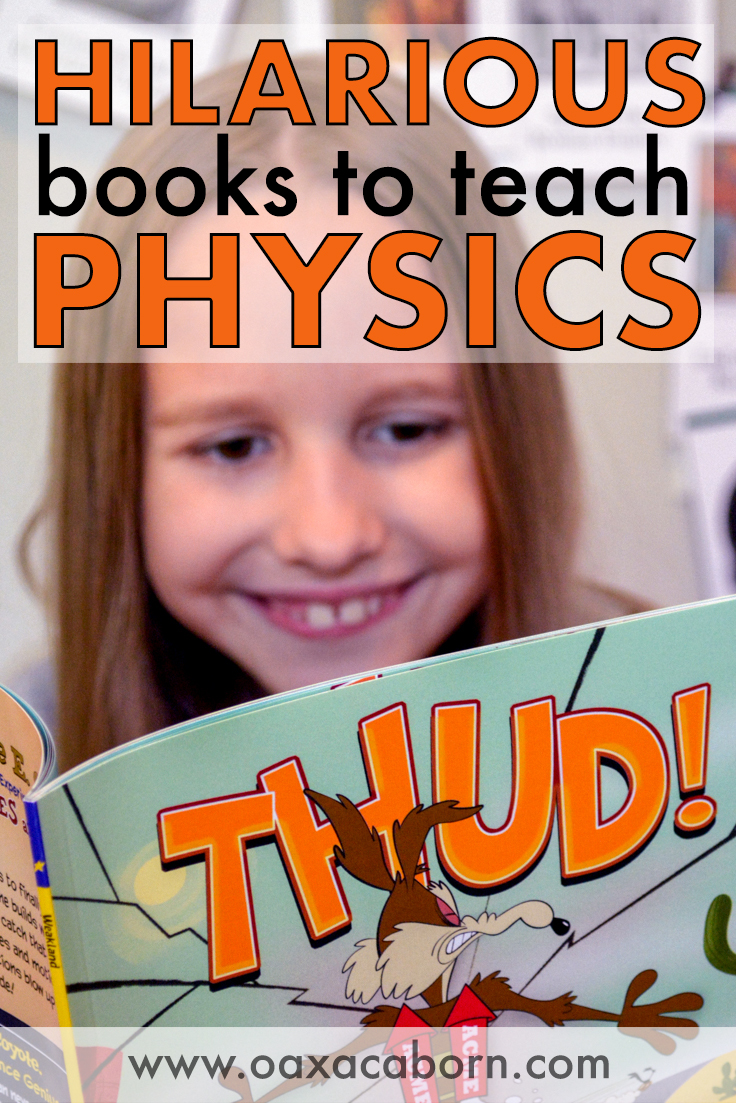
Here’s a little homeschooling secret — a confession, really. Science at our house doesn’t usually involve experiments. There, I said it. There are so many great hands-off ideas for studying science, though. I’m not anti-experiment — that would be a weird stance to take, ha! — but I just don’t have the bandwidth to carry out hands-on science all the time!
Fortunately, I am able to actively supplement elementary science and nurture scientific literacy in many different independent ways. One fun idea? Highly-illustrated science books. An even more fun idea? Hilarious science books.
Continue reading “The Most Hilarious Way to Teach Homeschool Physics”
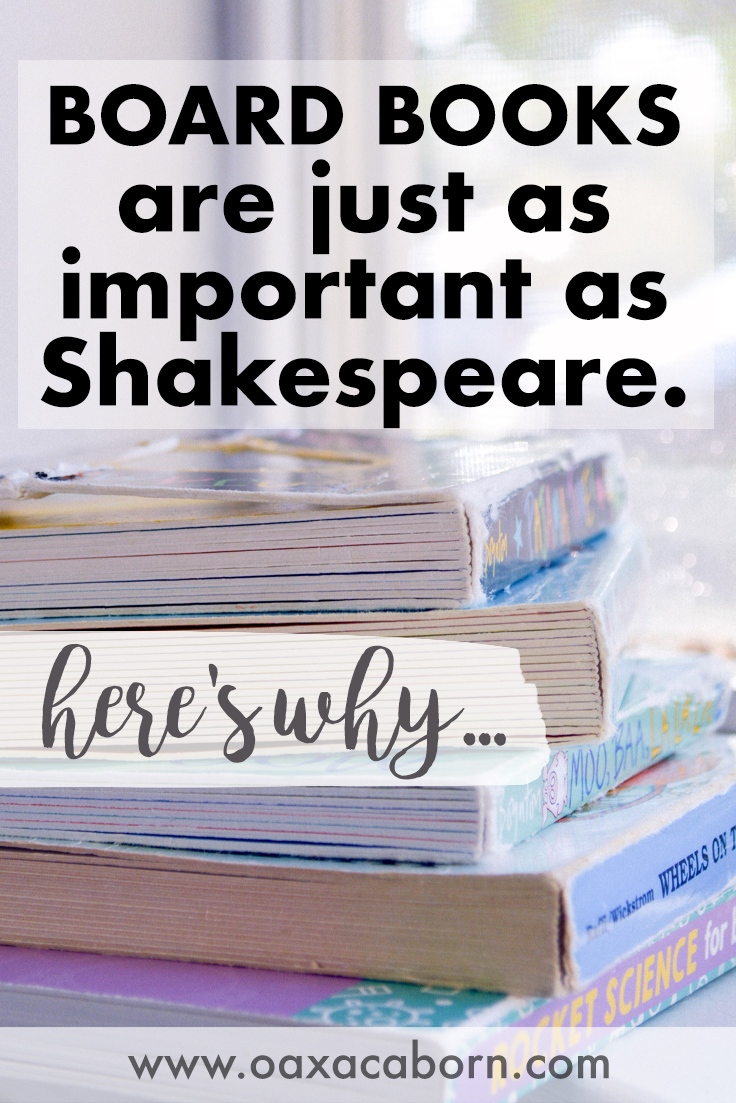
You know what I’ve done during this pandemic? I can tell you what I didn’t do. I didn’t write a book, learn a new trade, renovate a house, become fluent in another language, or read Anna Karenina (I’m on page 77 of 963).
I didn’t do any of those impressive things “they” say you should have done during lockdown.
What I’ve done? I’ve read a lot of board books.
Continue reading “Board Books are Just as Important as Shakespeare”
 Does an accurate American history curriculum for kindergarten actually exist?
A good homeschool history curriculum is difficult to find, isn’t it? And US history is particularly hard to teach. I have very little tolerance for oversimplified books which whitewash the complexity of our nation’s beginnings, idolize outward morality, virtue, and character, or put Columbus and Washington on a pedestal of American exceptionalism. But most truly accurate US history books are geared toward a much older audience, and aren’t designed to give a broad sweeping overview to sensitive kindergarteners or first graders. American history is messy, ugly, grim, and often brutal. Teaching true American history to small children — even with picture books — is not easy.
Continue reading “Finally, a Kindergarten American History Curriculum!”
 The Oaxacaborn Blog