Christmas

SCANDINAVIAN CHRISTMAS :: Fika

First of all, let’s get one thing straight. Fika is essential. How else could you get through the daily slump, the brick wall, the sleepies, if not for elevensies, fika, coffee with sweets?

fika_london

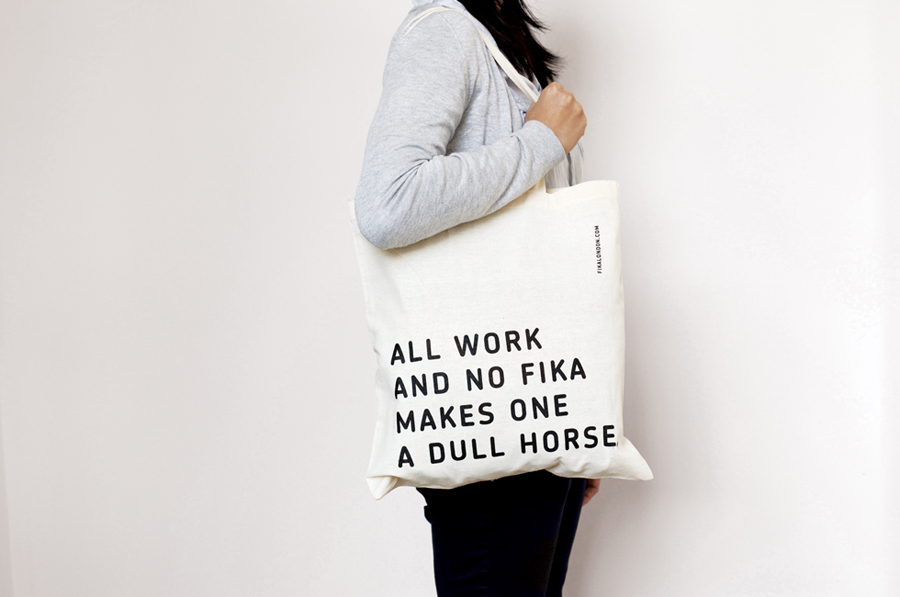
Fika London, that most…design-y…of all coffee houses, gets it right with this one. (Who wants to be a dull horse?)

FIKA London, kannelbullens on a Donna Wilson plate with glass of milkAnd okay, they kinda nailed it with this one, too. Swedish kannelbullen, er, cinnamon buns, anyone?

fika_cheese
Fika is never consumed on the run. It’s about stopping to breathe, and recharge. [image via the Kitchn]

97aaf1d2ea96a693e74e4eca28a825a2Swedish coffee isn’t served strong, but light and thin, so you can keep on pouring refills all [long, dark] afternoon long. (image via DimeStoreVintage on Etsy)

Just don’t add egg to mine, thanks ;))

Herz Allerliebst - Coffee and Star Anise and Cinnamon and Stars
And it isn’t just coffee alone. It’s coffee + sweets. Maybe you’ll have some spiced coffee with tiny ginger stars? (Image by Herz Allerliebst, via Nadine on Flickr)

9_lagerhaus_jul_sverige
Or maybe coffee in the prettiest enamelware (via Lagerhaus.se), and more gingerbread stars.

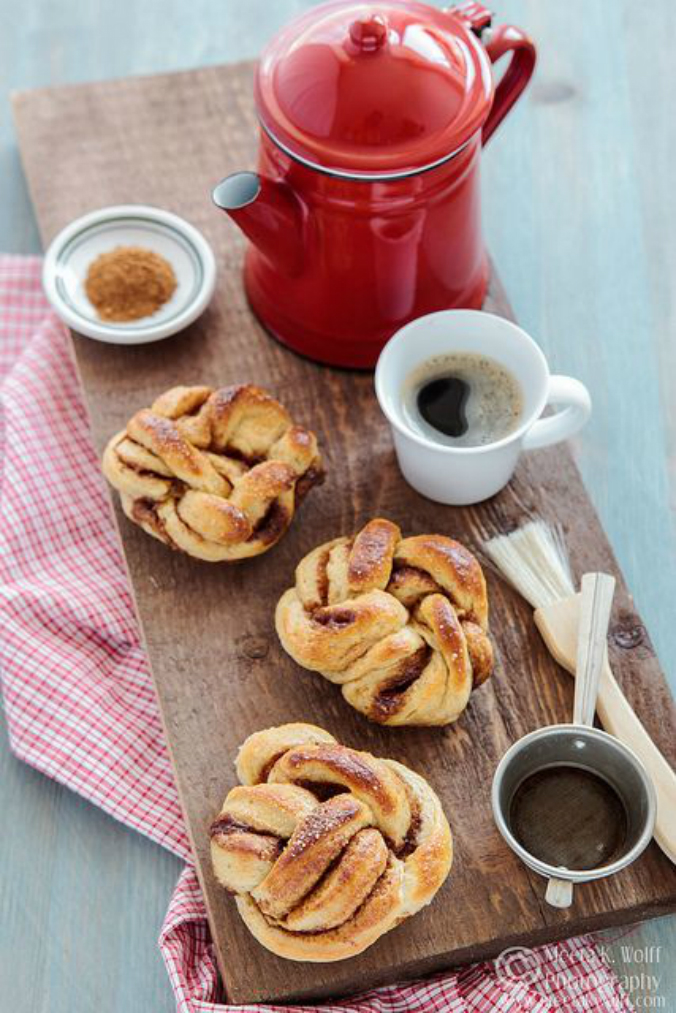
fika_red_enamelwareMore kannelbullen — and more enamelware, which to me is so quintessentially a part of the whole fika experience. (Image via What’s for Lunch, Honey?; Swedish kannelbullen recipe via Craft and Creativity.)

Even though it’s fast approaching the busiest time of the year, how did YOU pause for fika today?

ESPRESSO
[image via The Faux Martha; Salted Nutella Latte]

Christmas, Poetry & Words, Theology

Why Celebrations & Beauty Still Matter in a Broken World

During Advent, lighthearted festivities can conflict with the dark reality of the world. But we shouldn’t give up Christmas. You can’t fight the darkness without light.

Why Celebrations & Beauty Still Matter in a Broken WorldSometimes, people wonder how I can get behind something so trite as Christmas decorations, when I also talk about death and darkness and clinging to a thread of hope when grief colors everything. How can I talk about pretty things when there’s all this brokenness everywhere we turn? Isn’t that incongruent? Doesn’t that make me a hypocrite? Don’t I know the world is dying?
I do know. And because I know, I refuse to give in to the darkness.  I refuse to let the darkness chase us away from all the beauty.

Our God, the same God who demands justice and calls us to love mercy [1], also created beauty. The same God who calls us to defend the fatherless [2], also paints the billowing clouds with fiery indigo, told His ancient people to weave golden threads into gilded curtains and dot the tabernacle with precious stones [3], and turns snowy mountain peaks copper with every rising dawn.  If we have the eyes to notice, our heart is lifted at a solitary bloom alive in a dry and cracked sidewalk, and something in our spirit leaps at the sight of a single lit tree in the darkness, glistening in snow-covered bursts of colored light. Our deep longing for aesthetic beauty echoes the whole, complete beauty that existed in God himself before the Fall of Man. Glimmers of it shine earthside still. Every single thing of beauty on this earth hints at the beauty that waits just beyond the veil [4].

And something else await beyond the veil, too — a celebration [5].

Somewhere along the way in our journey through the monotonous tasks of living, we’ve heard whispers that to be holy is to reject the nonsense of tinsel and lights, and to be an effective servant of God we have to squelch in ourselves our deep-seated craving for beauty.  We’ve heard that to have a heart that really loves mercy, to have a heart that really broken over injustice, we should probably think twice about merrymaking. But beauty and joy and celebrations are not at all antithesis to our identity as Christians. Rather the opposite; celebrations are at the very heart of our Father God. All throughout the Bible we see, over and over and over again, this idea of gathering together in the mutual enjoyment of this wild and beautiful life. And we crave it. We crave beauty, we crave togetherness, and we crave wholeness.

Maybe it doesn’t make sense to live this way. Maybe it’s all more complicated than this. But I think my God is big enough that I don’t have to choose between beauty and truth. I think my God is big enough that I don’t have to reject the beautiful things He’s created in order to love mercy. So instead of understanding it all, I just want to embrace this mystery. The mystery of God, the mystery of this life, the mystery of serving the One who lets all these disparate things — beauty, injustice, death, love — coexist, and even, somehow, weaves them all together with redemption in a tapestry altogether glorious.

So let yourself be freed from legalism this Christmas. Let yourself be free to savor the deep, beautiful goodness of God, and drink in the wonder of His Advent, even if everyone around you is cramming in commercialism until the season nearly bursts with misunderstanding, and even as the news broadcasts keep rolling, and even as there is still work to be done.

“Here is the world”, said Frederick Buechner. “Beautiful and terrible things will happen. Don’t be afraid.”

“You, my brothers and sisters, were called to be free.” [6]

Poetry & Words, Theology

When I was a little girl, I didn’t live on the prairie

when-i-was-little-didn't-live-in-america

When I was a little girl, I didn’t live on the prairie or in the suburbs or in wide-eyed city lit by neon signs. I didn’t know apple pie was supposed to be American. I never saw a baseball game. I didn’t have a picket fence, or a dog, or any of those things that are you supposed to make you American. But I didn’t live in America, either.

When I was a little girl, I lived in the middle of a brown and white house right smack on the edge of a street called Taborska right smack on the edge of a city called Ljubljana. Our front door didn’t have a doorknob. It had a door handle instead, which was long and narrow. It kind of looked like someone had taken a capital L, turned it sideways, and jammed the short side into the door. Our landlady lived downstairs, so we called her Grandma Downstairs. Petra and Alenka, her two granddaughters, lived up the stairs. We called them Petra and Alenka. Much later when I grew up into a lady and lived maybe a million or seven miles from there, I had a daughter too and I named her A. Alenka. It sounds like music. But that didn’t happen yet, because I was still a little girl.

I had one brown-haired mustached dad and one strawberry blonde mom, and a brother who got himself locked in the spare room once. The L-shaped door handles were very good at getting locked and very bad at opening up again, so while I cooked horseradish and dandelion soup in my cardboard kitchen, I prayed for a replacement brother. The original brother was unlocked before I’d finished praying, but God sent me a second brother a few years later anyway.

I didn’t have a dog. Once I had some tadpoles, which sounds nice, but really they looked more like their other name, pollywogs. Sometimes we had a goldfish. He was a very possibly magic goldfish. Sometimes he swam right out of the bowl and was missing for a long time before he popped back into the bowl. My dad was not a goldfish but he had blue eyes on the front of his head and an extra pair of eyes on the back of his head. The extra eyes were just as good at seeing as the forward-facing ones. He had a stack of heavy books next to his bed. Since it was dark when he woke up, I’m not sure which eyes he used to read.

I don’t think my mom and dad could see very far from the middle part of the house where we lived, but as I was still a child and hadn’t yet grown eyes in the back of my head, so I could see for miles. The red clay rooftops sparkled like tiny crests, like little ocean waves in a red sea. Of course, the Red Sea isn’t actually red. I know this because I am very nearly six years old, and I know almost everything there is to know, particularly important truths such as how one person cannot see one’s own face, no matter how tangled up one gets trying to turn one’s eyeballs toward it.  I tasted the sea in Greece once, although I probably shouldn’t have because there was quite a lot of rubbish floating in it. It was a rather green sea. All the books I’d ever read said seawater was supposed to be blue, but I guess they hadn’t been to Greece.

Things don’t always end up the color they set out to be, anyway. There’s a man who sometimes who comes to visit the cats and chickens and sour cherry trees downstairs, and I think his hair started out brown but it’s beginning to have grey bits around the edges. I think to myself that it’s the same kind of grey as the sardines heaped up on the tables near the bridge in the city. The sardines started out with a silvery flash of green, I think, but mostly they end up grey, too. There are big cement columns stuck into the ground at each end of the bridge down by the sardine tables. They are grey, too, like most of the things in our city, but the dragons on the top are a kind of sad, flaky green that looks like it used to be happy. Mom says the dragons are made of copper but I don’t thinks she’s right about that.  I saw a picture of a copper penny once, in an American book, but it wasn’t green at all. Our friend tried to each me about pennies. I didn’t listen. I just looked at her when she talked, and watched my head head bob up in down in the reflection of glasses she wore to cover up her glass eye.

I didn’t need to know about American pennies, anyway. I didn’t live in America. Maybe someday I would, and there would be plenty of time to learn about pennies then.

Christmas

SCANDINAVIAN CHRISTMAS :: GRANIT and a little Swedish cabin

Oh, skandinavisk jul! (Yes, I have an obsession. But that’s okay, because that’s what this series is all about).  So let’s get the fifth annual Scandinavian Christmas series rolling!

Granit_advent

Every winter in October — yep, not autumn, winter — Swedish  decor (and clothing, and gardening) chain GRANIT unveils their Christmas collection. And you can just feel that arctic afternoon darkness, folding over the cabin like a wool blanket, while the cardamom and anise wash over you.

Skandinavisk Jul! Styling by Swedish interiors and gardening store GRANIT

Skandinavisk Jul! Styling by Swedish interiors and gardening store GRANIT

Skandinavisk Jul! Styling by Swedish interiors and gardening store GRANIT

GRANIT_bulbs

Skandinavisk Jul! Styling by Swedish interiors and gardening store GRANIT

Want more from GRANIT? I love their Pinterest board that’s chock full of Christmas-y images like the ones above. So, so gorgeous. (And this isn’t even a sponsored post! I did say I had an obsession, right? ;))

Want to be a part of the fifth annual Scandinavian Christmas series? Email me at oaxacaborn@gmail.com with a URL, guest post, photo, Pinterest board, or anything else relating to Scandinavian and Nordic holiday traditions. Stay tuned for more Skandinavisk jul!

Life in Photos

LIFE IN PHOTOS :: October

Aveline_illuminated_letter_2015Lizard_cactus_2015
Aveline_painted_pumpkin_2015Aveline_window_2015Aveline_pebbles_hand_2015
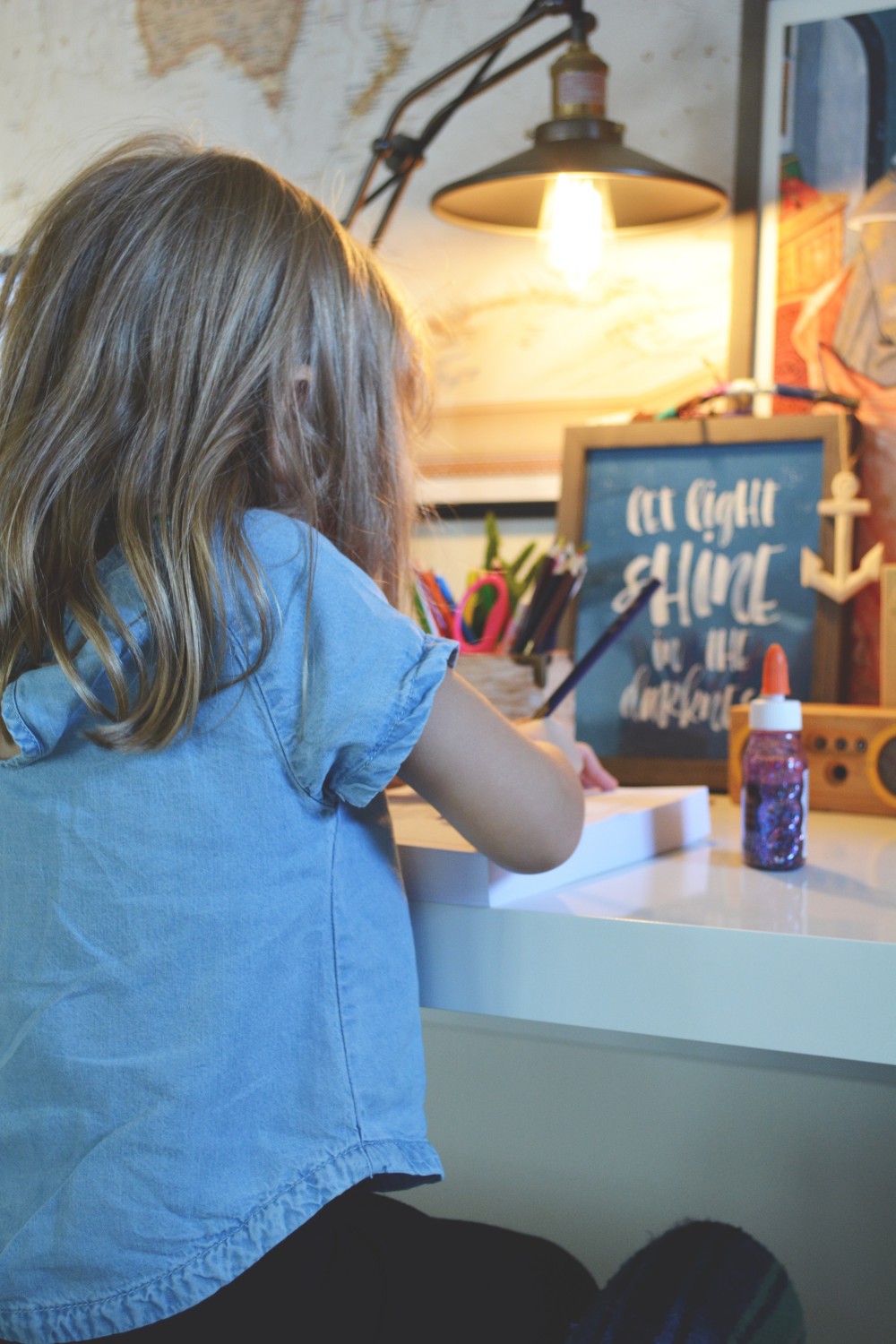
Aveline_school_denim_2015

“Something I constantly notice is that unembarrassed joy has become rarer. Joy today is increasingly saddled with moral and ideological burdens, so to speak. When someone rejoices, he is afraid of offending against solidarity with the many people who suffer. I don’t have any right to rejoice, people think, in a world where there is so much misery, so much injustice.

I can understand that…But this attitude is nonetheless wrong. The loss of joy does not make the world better — and, conversely, refusing joy for the sake of suffering does not help those who suffer. The contrary is true. The world needs people who discover the good, who rejoice in it and thereby derive the impetus and courage to do good. Joy, then, does not break with solidarity. …This results, then, in the courage to rejoice.” -Joseph Aloisius Ratzinger

Christmas

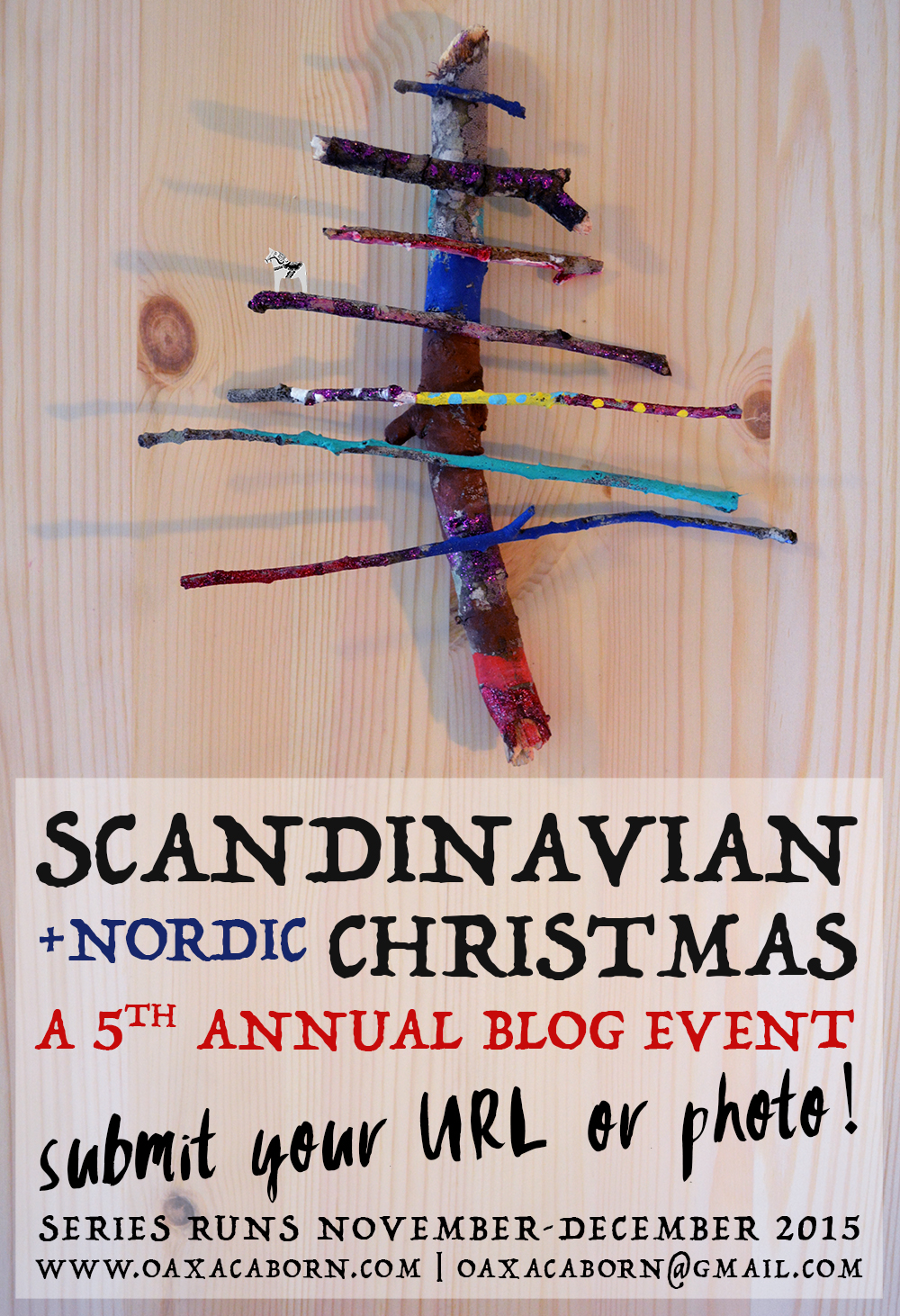
CHRISTMAS :: 5th Annual Scandinavian and Nordic Christmas Series

5th Annual Scandinavian and Nordic Christmas series on the oaxacaborn.com blog

For the fifth straight year (wow!) I’ll be bringing you Scandi Christmas gorgeousness during the entire Advent season. According to the feedback you’ve shared with me over the years (and the number of times you’ve pinned the content on to Pinterest) this is your absolute favorite series. Together, we’ll be talking adventskalender, sharing interiors cozied up for the season, exploring different ways to decorate, celebrating Scandinavian and Nordic traditions, and more.

As in previous years, you’re invited to join the celebration. If you have a favorite post you’ve written, a link to a particularly Scandinavian store, a set of photos, a memory of Nordic holiday traditions, a Pinterest board full of Scandi images, or simply want to share the URL of your blog (point me to the category with the most Christmas-y content), email me! In previous years,  contributors have been from the U.S., Finland, Sweden, the United Kingdom — even far above the Arctic circle — but you’re of course welcome to participate no matter where you live. I can’t wait to hear from you!

P.S. The series will begin on 1 November and continue through 25 December. Hyvää Joulua! God Jul! 

Poetry & Words, Theology

And I’ll Sing in the Land of my Sojourn

And I'll Sing in the Land of My Sojourn by Gina Munsey on Oaxacaborn, with quotes by Rich Mullins and Frederick BuechnerIt’s quiet, at least as quiet as an afternoon can be on the second floor of an apartment building, perched at the edge, where the gully dips down into rain-soaked grass and back up again to meet the ragged blacktop edge just before the toll booth.  This little corner of earth where residential and interstate meet is not a destination or a landmark, but I think Rich Mullins would have sung about it [1].

I think he’d have seen the gold in the way the sun fights for light here, like a farmer sees hope and life in the tiniest green shoot.

Maybe he’d have heard a melody in the rumble of the trucks which coast and pull their rattling brake just before the bend in the road, like he did when he sang “And the coal trucks come a-runnin’  / With their bellies full of coal  / And their big wheels a-hummin’  / Down this road that lies open like the soul of a woman…” [2]

He saw beauty, somehow, where others only saw the tired corners, where others only saw the afternoon traffic jams and the faded street signs and the plodding of sojourners down the cracked and uneven sidewalks. When you know everything around you lies in shadow, waiting for the great awakening, when you know we’re all living just on the very cusp of seeing clearly and not through a glass dimly, well, then, there’s beauty in everything broken. Because as soon as that Star shown down into the stable and as soon as He was born, well, redemption was set in motion and that was “When the old world started dying / And the new world started coming on”. [3]

There have been sojourners as long as there has been time itself, mendicants wandering [4] yet wandering with purpose, through the dredges that are made holy with that same purpose. Sojourning is different than drudgery. Drudgery is repetition without hope on a horizontal plane. But sojourning! Ah, sojourning takes the repetition in which drudgery despairs, and views it with eyes opened by the God of Wonder Himself.

“If you think you are seeing the same show all over again seven times a week,” Frederick Buechner writes [5], “you’re crazy. Every morning you wake up to something that in all eternity never was before and never will be again. And the you that wakes up was never the same before and will never be the same again.”

And so, in the midst of the traffic chorus outside my window, and the unwashed laundry and  the unanswered emails, in the midst of confronting evil and doubt, in the midst of working long into the night and consoling a child’s fever and answering unspoken fears, in between the lost moments of sleep and the sunrises awash with new mercies and endless grace, in the arms of everlasting love, “I’ll sing my song / and I’ll sing my song / in the land of my sojourn.”[6]

Poetry & Words, Theology

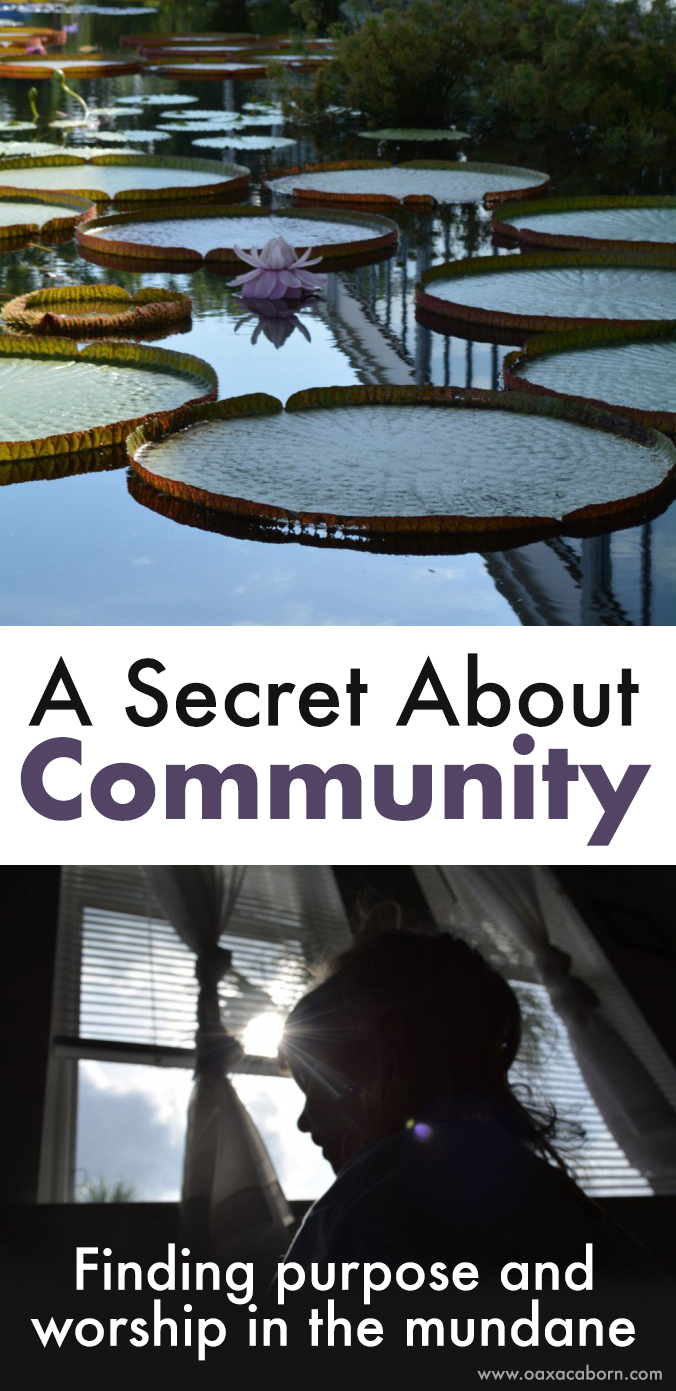
A Secret about Community: Finding Worship and Purpose in the Mundane

A Secret about Community: Finding Purpose and Worship in the Mundane | Oaxacaborn blog

It’s autumn, and I think it must be conference  season, too.  Everywhere I turn, the internet is awash with experts converging into a single wooded area or brightly-lit urban spot on the map, reciting advice, organizing workshops, writing blog posts, handing out business cards and reminding everyone of the importance of taking part in community. In other words, #community is trending.

And sometimes, this can feel lonely.

But I don’t think a weekend retreat is the only place you can grab a piece of community. I don’t think you can sell tickets for it, and then proclaim it sold-out. I don’t think our God-given longing for communion and community can be solved as easily as all that.

And this is good news for you, dear reader, you precious soul who feels left out, you who are faithfully toiling away at home or at a desk. It is good news for you who are living your life with your little family, far away from extended family; good news for you who feel alone, you who feel like you’re not a part of something special, you who feel the cries of the baby and the husband’s expectation for dinner and the demands of the children and the endless mundanity of life are keeping the ingredients for community just out of reach.

But the ingredients are not out of reach.

They are in front of you. They are front of me.

They are wherever two or three are gathered. [1]

I think sometimes in our cycle of the mundane we think we can somehow capture community and rest in the quiet halls of a monastery, where the only sound is the scratch of a quill against vellum. I think sometimes in the middle of arguing with our children over lunch choices we think we can somehow capture community and devotion in the orderly schedule of an Amish farm.  I think sometime we think we can somehow capture community and service in being half-way around the world, feeding the poor. But this is an incorrect perspective. We are missing something crucial. We are missing the reality that for the monastic scribe, the scratching quill and endlessly copied words are his mundanity.  For the Amish mother, hanging laundry on an outside clothesline is her mundanity. For the overseas worker, stirring up another huge pot of soup is her mundanity.

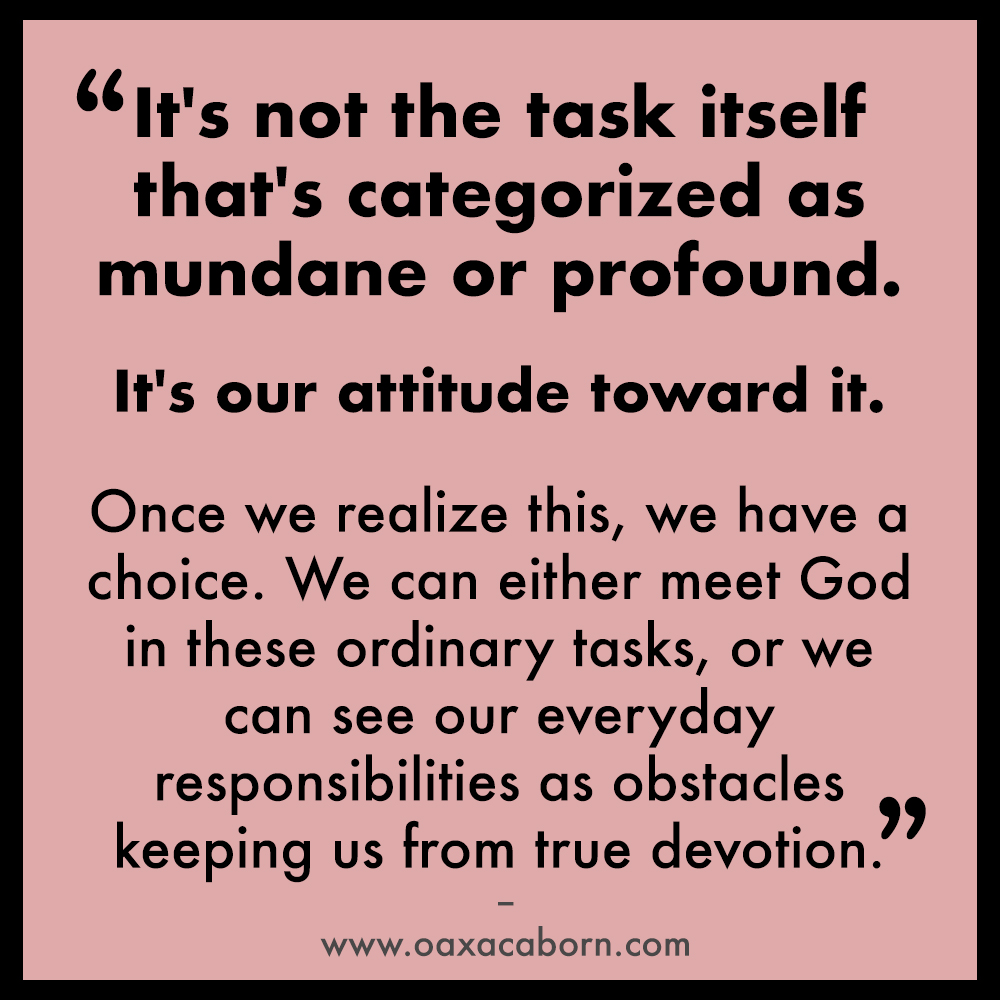
It’s not the task itself that’s categorized as mundane or profound.

It’s our attitude toward it.

Once we realize this, we have a choice. We can either meet God in these ordinary tasks, or we can see our everyday responsibilities as an obstacle keeping us from true devotion.

Tozer wrote much of this secular-sacred divide, of our human tendency to see “dull and prosaic duties” as keeping us from the really important and holy tasks. He writes, “It is not what a man does that determines whether his work is sacred or secular, it is why he does it. The motive is everything. Let a man sanctify the Lord God in his heart and he can thereafter do no common act.”

He can thereafter do no common act! What a life-giving, joy-inducing truth.

Maybe you’re in a place where your children’s needs keep you from joining the latest and greatest retreat or the urgently-needed humanitarian service trip. Maybe it’s finances. Maybe it’s geography. Maybe it’s all of the above. Maybe you feel like you’re swallowed up in ordinary tasks while everyone else is off doing extraordinary things for God and for each other.

Oh, friend. Let us see these chores and responsibilities not as hindrances, but as prayers. Let our ordinary lives be our worship.

Next time everyone is off on a women’s retreat, and you are peeling potatoes — my friend, that is your offering. Next time all your Instagram friends are posting selfies with conference speakers and authors while you are folding the 37 pairs of underwear your toddler wore this week — my friend, that is your offering.

And it is no less precious.

All of your least favorite chores, all of your most exhausting battles, all your lean years where friends seem few, all the darkest of dark days — these all can be your offering.  These can be be my offering. These can be our offerings. In the times when it is impossible for you to join the missionaries and the speakers and the authors and the experts and everyone else who seems to be holding out a neatly-packaged key to community, remember; you are not alone.

And can I tell you a quietly-kept secret about community? I think it’s often smaller and quieter than we realize. I think it’s already happening when two or three are gathered. [1] I think it’s less advertised, more humble, forged often more in the lonely fires of trial than in the spotlights of popularity. I think you — and I — already maybe hold all the ingredients for it.  We just might have to do a little digging, a little unearthing, a little bit of getting our hands dirty, a little bit of turning our eyes back home after longingly gazing over the fence. And when we find those pieces, we’ve found great jewels, priceless treasures — here, now, in whatever quiet little place God has carved out for us.

It's not the task itself that's categorized as mundane or profound. It's our attitude toward it. Once we realize this, we have a choice. We can either meet God in these ordinary tasks, or we can see our everyday responsibilities as obstacles keeping us from true devotion.