Book Reviews, Homeschooling, How To

A Guide to Jean Fritz Books

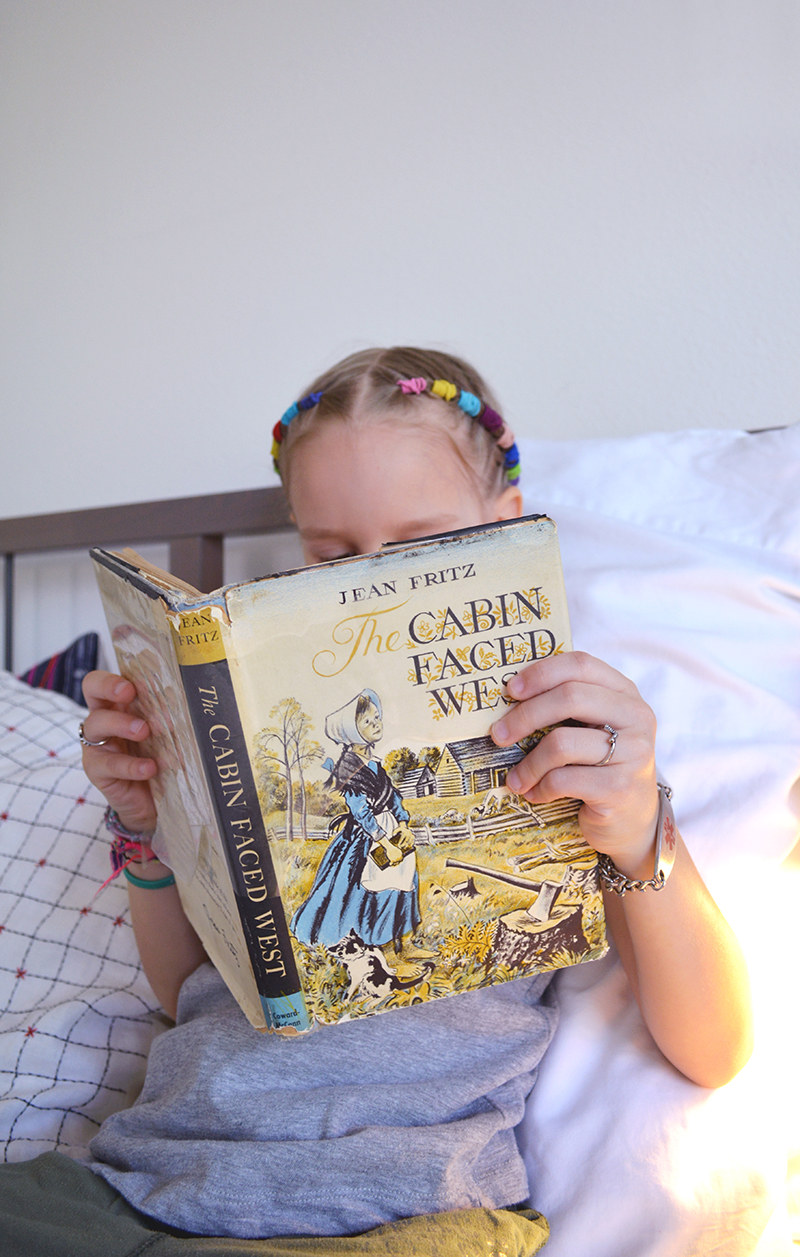
Jean Fritz’ living history books are a terrific way to incorporate a narrative, storytelling approach into to your homeschool history lessons.  You probably know about her popular U.S. history books, but did you know she was a missionary kid who also wrote books about her time in China?

A few weeks ago, I went through my entire Jean Fritz collection — over half of the books she’s ever written — and put together a guide for the iHomeschool Network blog called How to Choose the Perfect Jean Fritz History Book.  In this topical guide, I list the themes, geographical area, time in history, and suggested reading level for each book, so you can grab the title which best matches where you are right now in your history studies. You’ll see your favorites there, of course, but you just might discover some unknown gems as well, like books about Chinese history, a picture book with saturated 1950s art, and a number of longer novels for the middle grades.

Continue reading “A Guide to Jean Fritz Books”

Curriculum Reviews, Homeschooling

Why Singapore Math Works Best for Us in our Homeschool

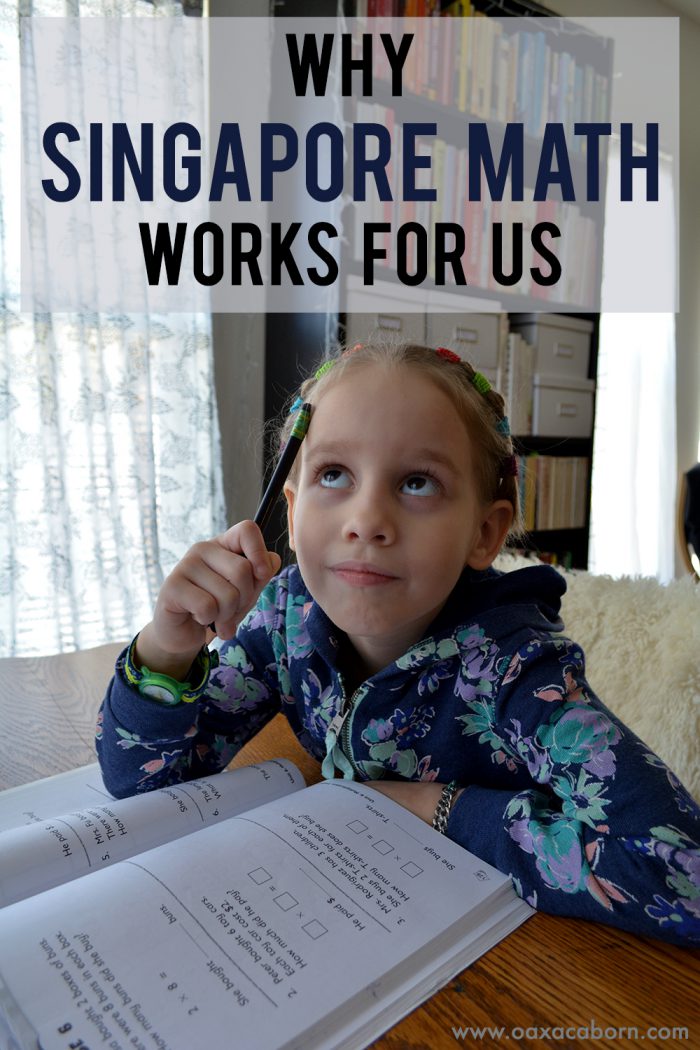
This guide tells you everything you ever wanted to know about Singapore Math: is it spiral or mastery? Do I need the Home Instructor’s Guide? What makes Singapore Math different from other homeschool math programs?Why Singapore Math Works for Us: Answering Commonly Asked Questions about the Homeschool Math Curriculum (by Gina @ Oaxacaborn)
We are a participant in the Amazon Services LLC Associates Program, an affiliate advertising program designed to provide a means for us to earn fees by linking to Amazon.com and affiliated sites.

This time of year marks the halfway point in our academic calendar, and it’s when I take stock of our curriculum and educational plan, making changes based on what’s working and what isn’t. Since I’m planning for a sensitive, headstrong , sensory-seeking, asynchronous six-year-old who taught herself to write at age two, and who currently reads and comprehends well beyond middle school level, I’m always, always, adjusting. Not pushing, but adjusting; adjusting, and following her lead. Just because I love a book or a method, doesn’t mean it will be the best choice for her. And many times, I’ve purchased curricula in advance, only to find that she’d already outgrown the content by the time I planned to use it. Flexibility is key.

But no matter how objective I am about what’s working and what’s not, I can honestly say that Singapore Math always makes the cut. I receive messages nearly every week from inquisitive parents who wish to test the Singapore waters, but are apprehensive for one reason or another. In fact, I’d venture to say that of all the curriculum we use, Singapore Math piques the largest amount of curiosity — and is victim to the largest amount of misinformation.

Here are the questions I am asked most often.
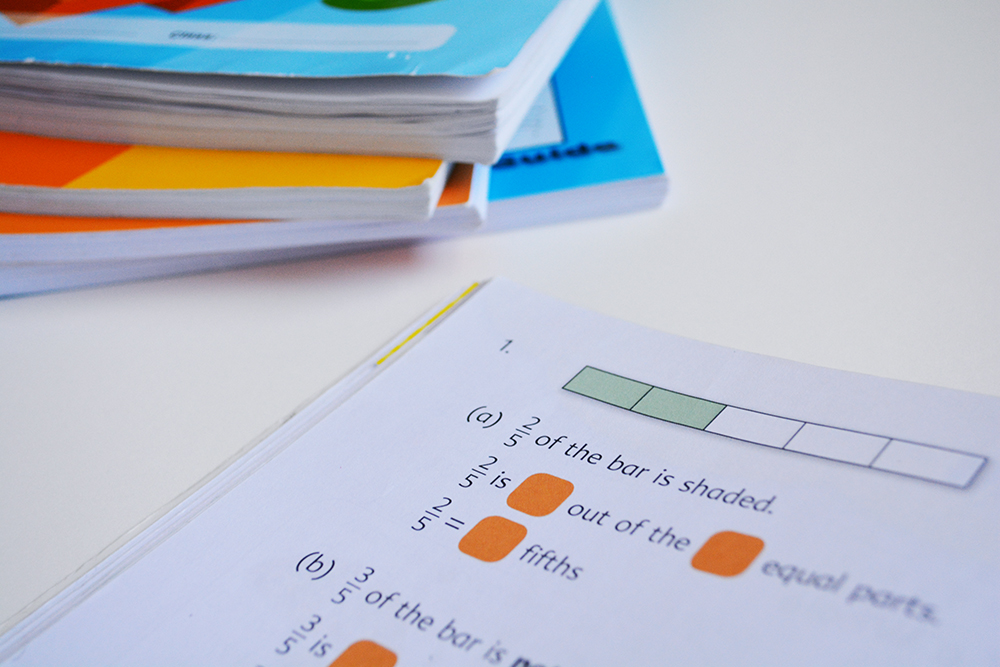
Why Singapore Math Works for Us: Answering Commonly Asked Questions about the Homeschool Math Curriculum (by Gina @ Oaxacaborn)

Why Singapore Math Works for Us: Answering Commonly Asked Questions about the Homeschool Math Curriculum (by Gina @ Oaxacaborn)

Why Singapore Math, in particular?

The approach Singapore takes in teaching math concepts is more in line with the type of mathematics instruction students receive in the non-US countries where math scores are higher than US student math scores.  The plain truth is that the way mathematics and arithmetic have been taught in the United States for years hasn’t actually worked out that well. Each of us, of course, has had a different educational experience, and while some personally feel their math educational suited them well, I hear over and over from people who feel rather strongly about having been insufficiently equipped by American math instruction. In either case, the rankings don’t lie. [1] The most recent (2015) global rankings of students across the seventy-two countries reveal that in math, American students rank 35th out of 72. Thirty-fifth! That’s far below even the global average, and is sadly even worse then the 2012 results (28th out of 72). Vietnam, Lithuania, Malta, and Latvia — just to name  a few — are all doing a better job teaching math than the United States. Do you know which country ranks first in math scores? That’s right, Singapore.
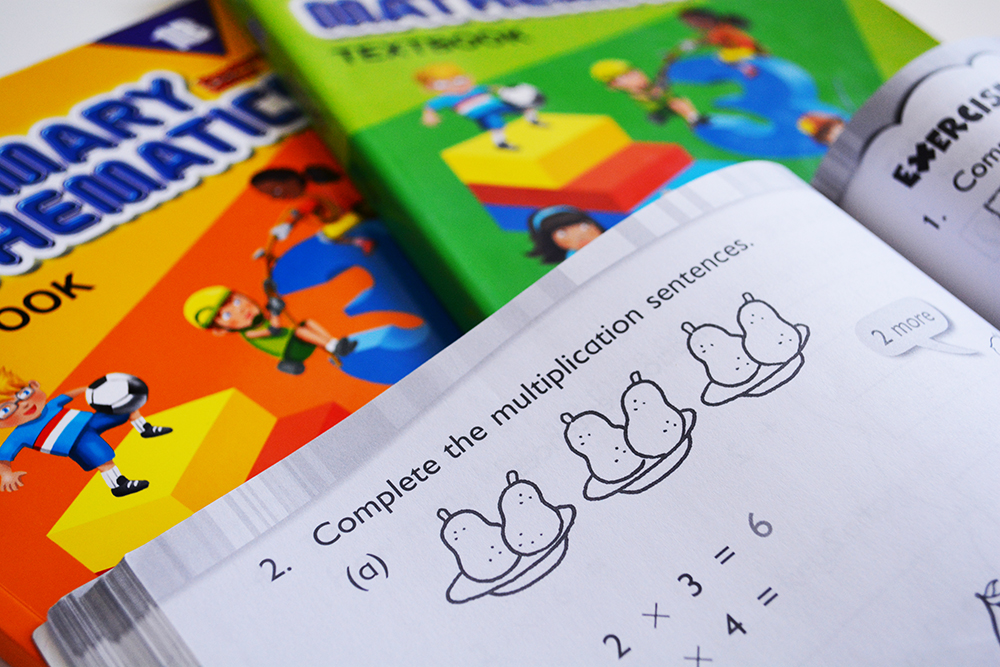
Why Singapore Math Works for Us: Answering Commonly Asked Questions about the Homeschool Math Curriculum (by Gina @ Oaxacaborn)

“But it’s not the way I was taught!” or, “I’m not any good at math!”

Based on the global math scores quoted above, I’d venture to say that “the way it’s always been done” might actually be doing American students a disservice.  This is not meant to be a controversial statement. When global test scores in math clearly show American students lagging behind their same-age peers, the data suggests room for improvement. A recent report from the National Numeracy organization in the United Kingdom asserts the following:

“Negative attitudes, rather than a lack of innate talent, are at the root of our numeracy crisis. In order for people individually – and the country as a whole – to improve and in turn benefit from raised levels of numeracy, our attitudes have to change. It is culturally acceptable in the UK to be negative about maths, in a way that we don’t talk about other life skills. We hear ‘I can’t do maths’ so often it doesn’t seem a strange thing to say (Kowsun, 2008). Maths is seen as the remit of ‘mad scientists’, ‘nerdy’ boys, and the socially inept (Epstein et al, 2010). We talk about maths as though it is a genetic gift possessed only by a rare few, and inaccessible to the general public.” [2]

When we look at mathematics and arithmetic as subjects only some people have the capacity to understand, we do everyone a disservice. I’m often equally fascinated and disheartened by the muscle thrown behind pre-literacy efforts, while any similar push for pre-numeracy skills is seen as hothousing, or rejected as developmentally inappropriate. We simply don’t have the same kind of reverence for opening up the world of 123s as we do for opening up the world of ABCs. Maybe, just maybe, we’re conditioning our kids early to feel like math is inapproachable, difficult, and “only for math people”.
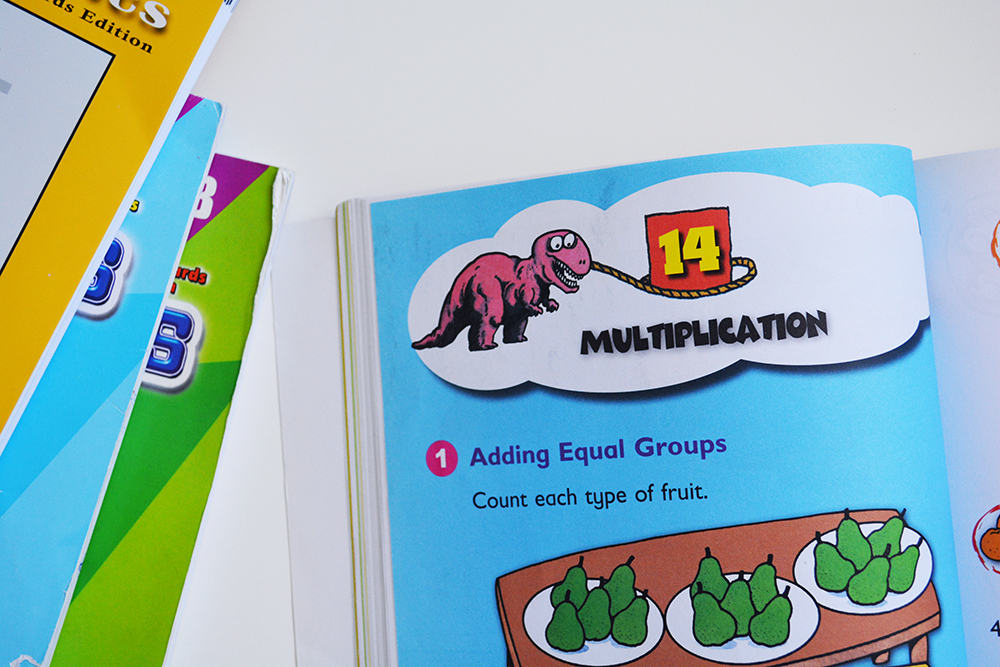
Why Singapore Math Works for Us: Answering Commonly Asked Questions about the Homeschool Math Curriculum (by Gina @ Oaxacaborn)

Why Singapore Math Works for Us: Answering Commonly Asked Questions about the Homeschool Math Curriculum (by Gina @ Oaxacaborn)

Can you achieve the same results as students in Singapore, just with the Singapore Math curriculum?

This is a big question to tackle. I suggest the answer lies in cultural attitudes toward mathematics and arithmetic. (Mathematics and arithmetic are not the same thing, by the way. According to the Oxford Dictionary, the term “mathematics” refers to “the branch of science concerned with number, quantity, and space” , while “arithmetic” is “the use of numbers in counting and calculation”.)

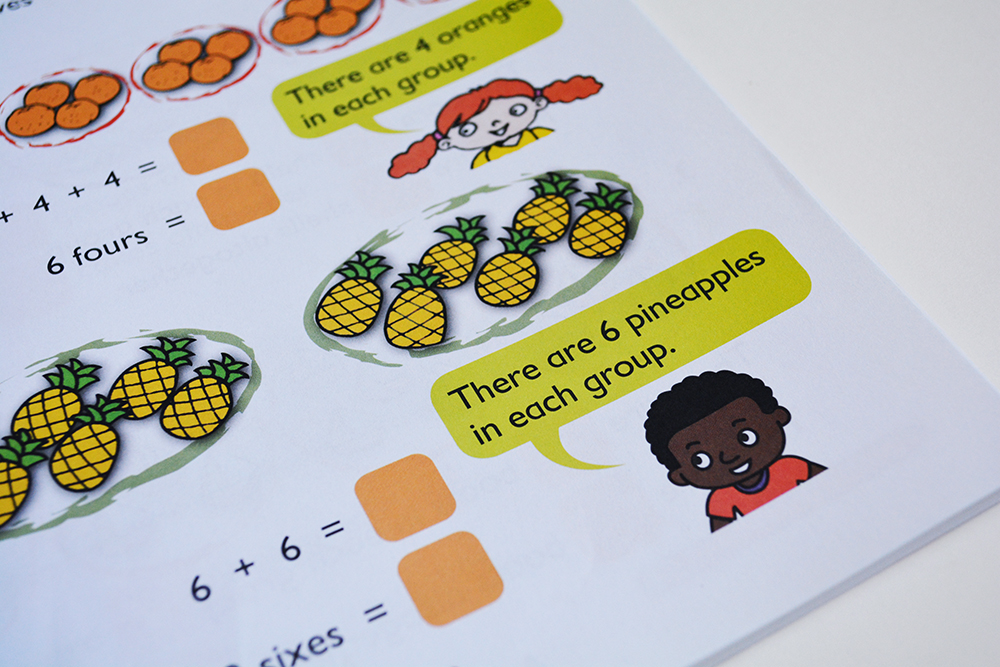
In the West we tend — not as an absolute, but as a tendency — to view a math brain as something you either have, or you don’t. Not so in Singapore. Cambridge Assessment’s Director of Research is quoted in the Financial Times as saying, “It [Singapore’s approach to math] is a different approach to ability — really, a major overhaul of the way in which children are viewed…A switch from an ability-based model of individualized learning, to a model [which says that] all children are capable of anything, depending on how it is presented to them and the effort which they put into learning it.” (emphasis mine) [3]
Why Singapore Math Works for Us: Answering Commonly Asked Questions about the Homeschool Math Curriculum (by Gina @ Oaxacaborn)

Is Singapore Math is only suited for kids who are good in math?

Certainly there are different learning styles and different personalities. But, to unilaterally say that the Singapore math methodology is only good for “kids who are already good in math”, is to ignore not only the very real difference in cultural attitudes toward math and beliefs about children’s math ability, but also the fundamental differences between typical math instruction in the United States and typical math instruction in Singapore.
Why Singapore Math Works for Us: Answering Commonly Asked Questions about the Homeschool Math Curriculum (by Gina @ Oaxacaborn)

Why Singapore Math Works for Us: Answering Commonly Asked Questions about the Homeschool Math Curriculum (by Gina @ Oaxacaborn)

What makes Singapore Math different? Is the Home Instructor’s Guide really necessary?

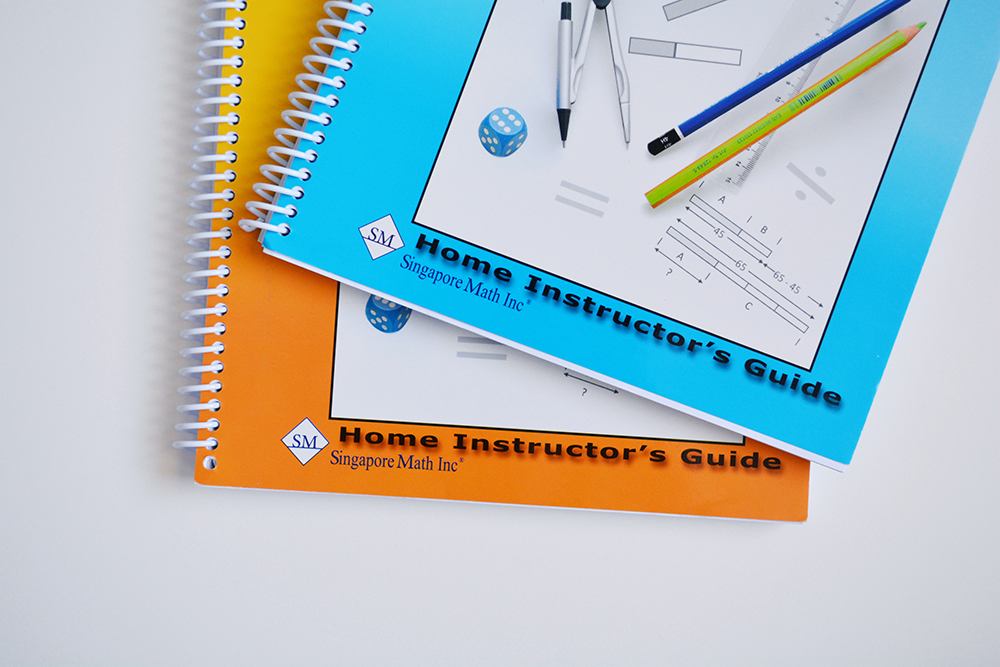
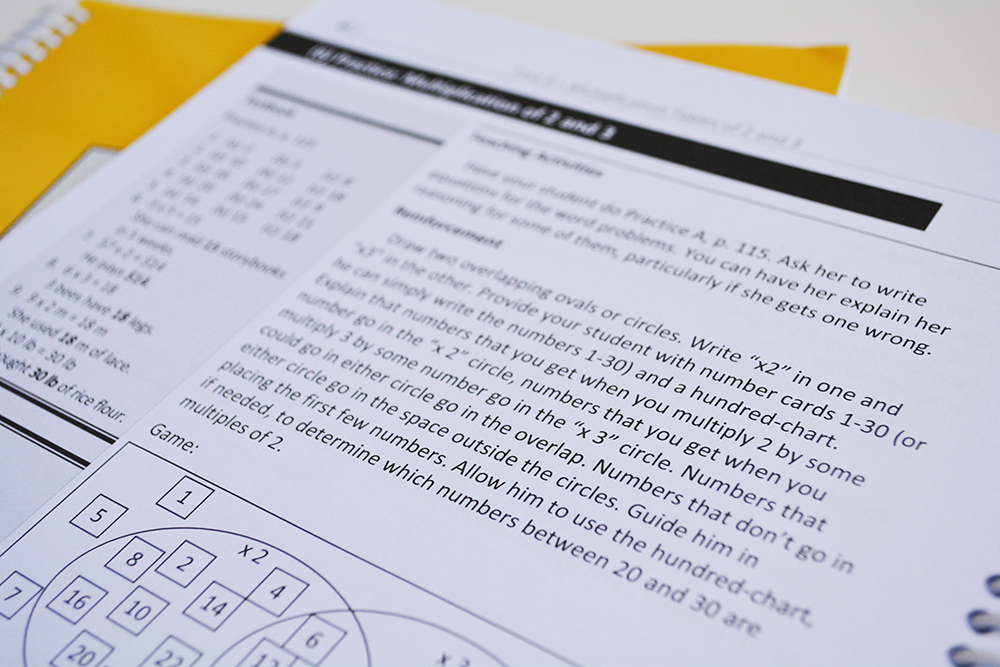
Yes. The Home Instructor’s Guide contains the bulk of the Singapore Math program. Beginning with Level 1A, it would be difficult to teach the program in a truly Singapore-method way without it. In fact, if I were to assemble a Singapore Math curriculum on a tight budget, I would omit the textbook before I ever omitted the Home Instructor’s Guide. The fact is, without the strategies in the Home Instructor’s Guide, you will inevitably teach math the same way you learned. The Home Instructor’s Guide gives you easy-to-understand, practical, and usable access to the “concrete, pictorial, abstract” method. This is necessary not because elementary math is hard, but because this is the method which sets Singapore Math apart from other math programs.

Unless you happen to have prior experience teaching the Singapore Math method, I do not believe the student workbook and textbook by themselves are adequate to teach the Singapore method.

The Home Instructor’s Guide contains games, tips, and suggestions to explain abstract concepts in concrete ways. Singapore Math never expects the student to simply accept a math rule and begin carrying it out, without a logical buildup and explanation. I have sometimes heard detractors of this program argue that Singapore Math students will end up deficient in math facts, because of the program’s focus on the why and how behind mathematical concepts. In actuality, students end up  proficient in both arithmetic (calculations) and mathematics (theory), because Singapore Math understands that these two go hand in hand. For each kind of math problem or concept, the Home Instructor’s Guide teaches several strategies and approaches. I especially like this, since different approaches will be hits for different kids at different times. And by being exposed to several ways to tackle each kind of problem, the student gains a deeper understanding of each problem, and learns how to solve problems most efficiently. This means that when a student is working through pages of math facts in the workbook, he or she is not just rewriting memorized facts, but is actually practicing mathematical thinking and learning how to employ different problem-solving strategies. And the fascinating thing I’ve observed is that through working this way, the student memorizes math facts without even realizing it.

In beginning addition instruction, for example, the student is required to memorize facts through 20. Rather than being given a stack of flash cards and timed tests, the student is instead given physical objects to sort and count. As the student is engaging in tactile ways through moving counters/manipulative, the student is being taught strategies, such as memorizing doubles (this allows him/her to know all doubles and all doubles plus one), counting up by 1, 2 or 3, and training his/her brain to spot the combination of numbers equaling ten in any given set of numbers. When a student becomes stuck, he or she is prompted to count up, look for doubles, or look for a ten.

If a student still hasn’t grasped memorization at the end of this process, the Home Instructor’s Guide encourages the student to pause and work through mental math exercises, provided in the back of the guide, before moving on to the next unit. But for the most part, as the student goes through this process — progressing through the concrete, pictorial, and abstract stages — the student finds he/she is suddenly capable of doing addition entirely mentally! Mental arithmetic ability is achieved through building a thorough understanding of mathematics.

Each step in Singapore Math methodology truly builds on the previous step. Yet, without a big picture perspective of what this approach is trying to accomplish, detractors often look at just these strategies and argue that this sort of math is adding too many steps and doesn’t have enough memorization. But when the program is taken as a whole — Home Instructor’s Guide, textbook, and workbook — students gain a rich understanding of mathematical reasoning while at the same time engaging in problem solving, and committing math facts to memory. Each time I happen to question why a certain strategy is presented in the curriculum, a few more pages or chapters later I see exactly why the concept was tackled in that way.  It all ends up fitting together. And the curriculum never leaves you guessing how deeply you should cover a concept before moving on, because the Home Instructor’s Guide gives helpful insight along the lines of “this concept will be covered in detail later; this is just an introduction”, or, “stop now and review these facts, as the student will need to know this for the next concept.”

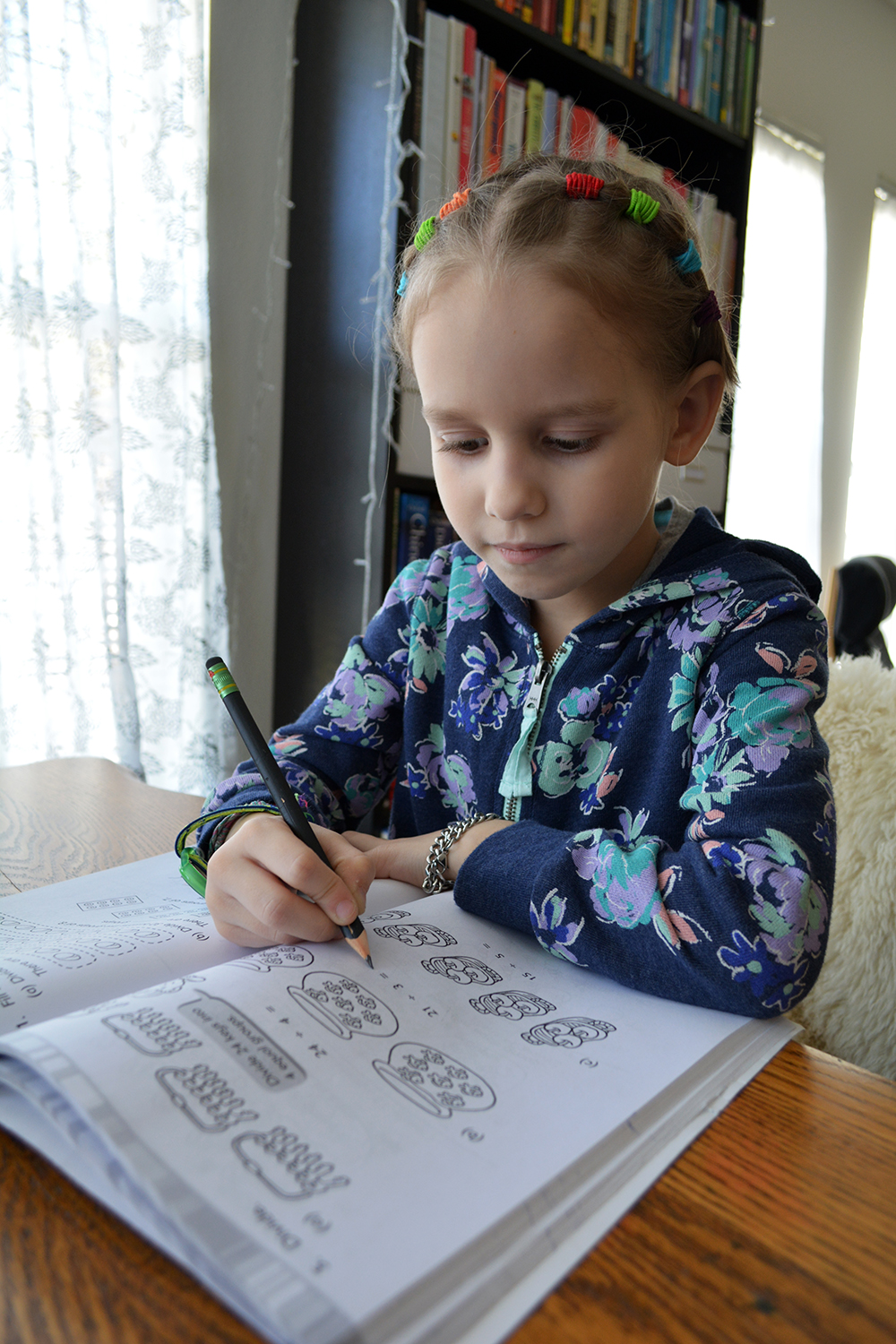
I wholeheartedly endorse the Home Instructor’s Guide as a means to implement the Singapore Math method.
web-16-singapore_math_why_it_works

Is Singapore Math spiral or mastery?

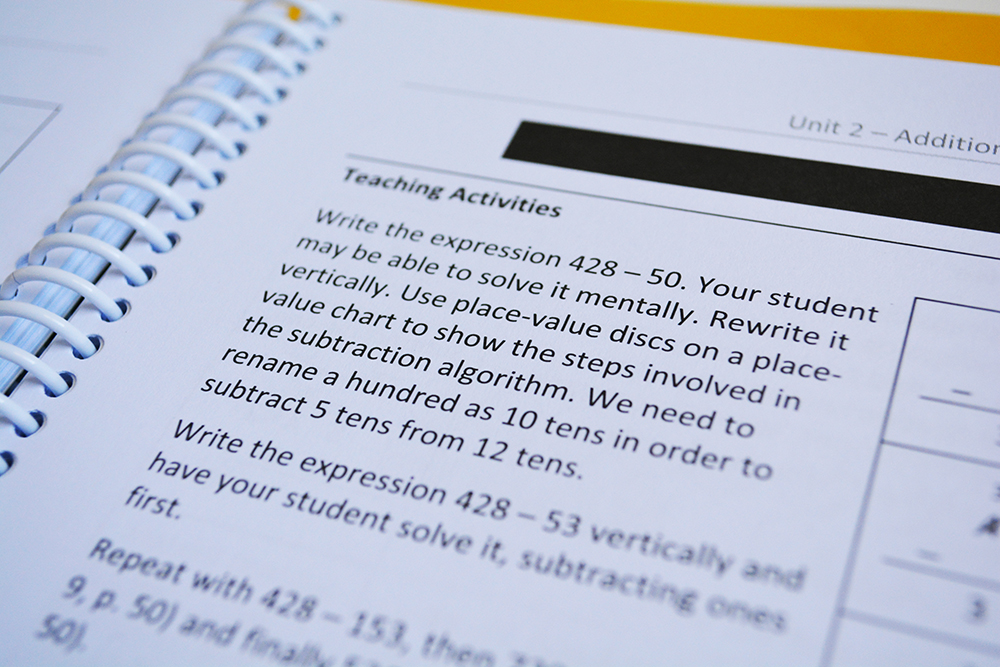
Whenever this question is posted on discussion boards, it seems about half the people argue that it’s spiral, and the other half argue that it’s mastery. Actually, Singapore math is neither spiral nor mastery. According to the publishers themselves, “The Singapore Math® curriculum does not conform strictly to any of the above approaches. The strong point of Primary Mathematics is its clear and multi-pronged presentation of concepts. There is an effective mix of drill, word problems and mental calculation instruction connected to all important concepts.” [4]

In the sections of the curriculum which learn toward mastery, users of only the workbook and textbook might think there is not enough substance to adequately master the material. However, users of the Home Instructor’s Guide will see that for each simple-looking problem in the student books, there is a wealth of teaching in the Home Instructor’s Guide on the mathematical reasoning, problem solving, and abstract thought behind each type of problem, as explained above.
Why Singapore Math Works for Us: Answering Commonly Asked Questions about the Homeschool Math Curriculum (by Gina @ Oaxacaborn)

Is Singapore Math Common Core?

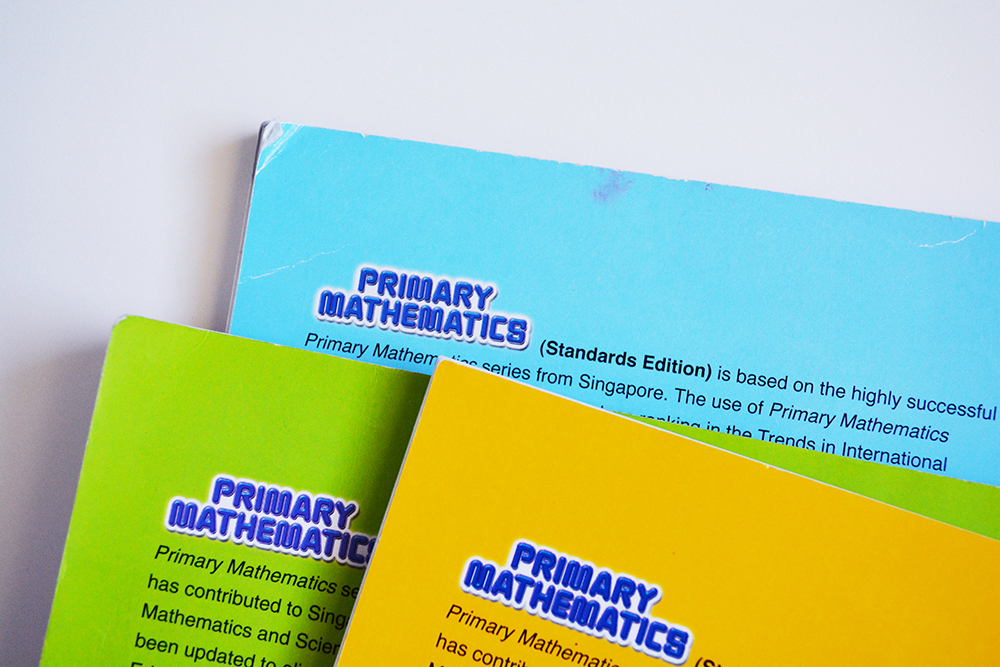
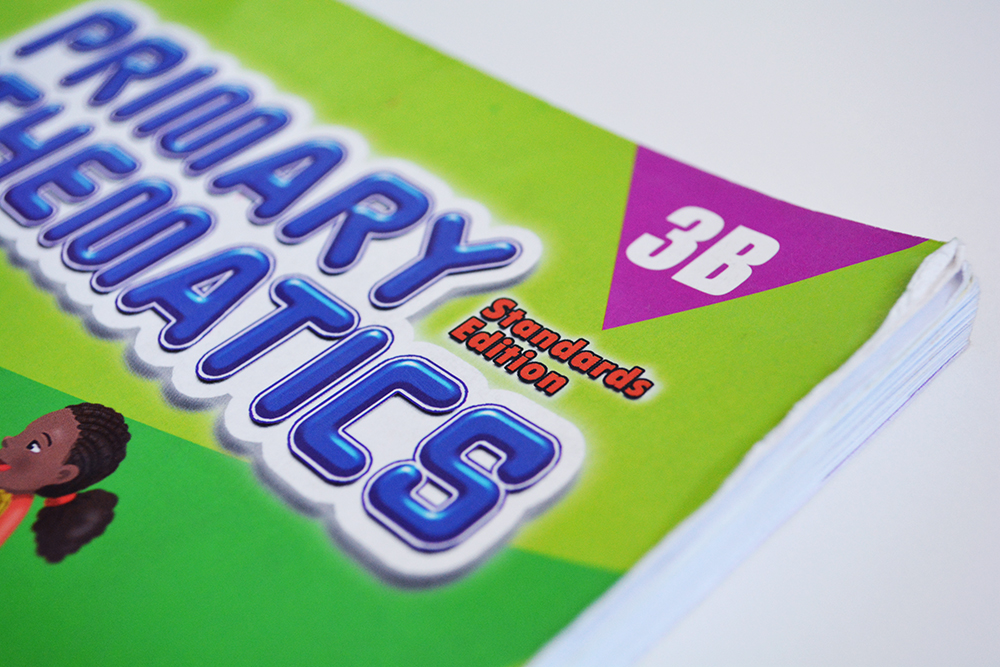
Yes, and no. There are three different, separate versions of Singapore Math [2], and each is very clearly named: the U.S. Edition, the Standards Edition, and the Common Core Edition. Only the Common Core version is aligned to Common Core standards.
Why Singapore Math Works for Us: Answering Commonly Asked Questions about the Homeschool Math Curriculum (by Gina @ Oaxacaborn)

Which edition of Singapore Math is best?

Generally, when people refer to “Singapore Math”, they mean “Primary Mathematics” from publisher Marshall Cavendish. Throughout this post, this is what I mean, as well. There are other publishers who use the term “Singapore Math” as well, such as the Frank Schaffer practice books often spotted at Costco, but those aren’t the same as the original Singapore Math Primary Mathematics curriculum discussed in this post.

If you’re sold on the Singapore Math methodology, you can’t go wrong with any Singapore Math edition from Marshall Cavendish –the U.S. Edition, the Standards Edition, or the Common Core Edition. (Obviously, if you have strong feelings about the Common Core edition of Primary Math aligning with Common Core standards, you’ll want to avoid that one.)

We use the Standards Edition. All the textbooks are full-color, unlike the U.S. Edition (not a deal breaker, but a really nice perk if you happen to have a very young math aficionado.) And in my opinion, the Standards Edition it has the very best, most thorough teacher’s component. This chart from Marshall Cavendish explains the differences between the U.S. Edition, the Standards Edition, and the Common Core Edition of Singapore Math.
Why Singapore Math Works for Us: Answering Commonly Asked Questions about the Homeschool Math Curriculum (by Gina @ Oaxacaborn)

There are so many books for each level of Primary Mathematics. Which ones do I need?

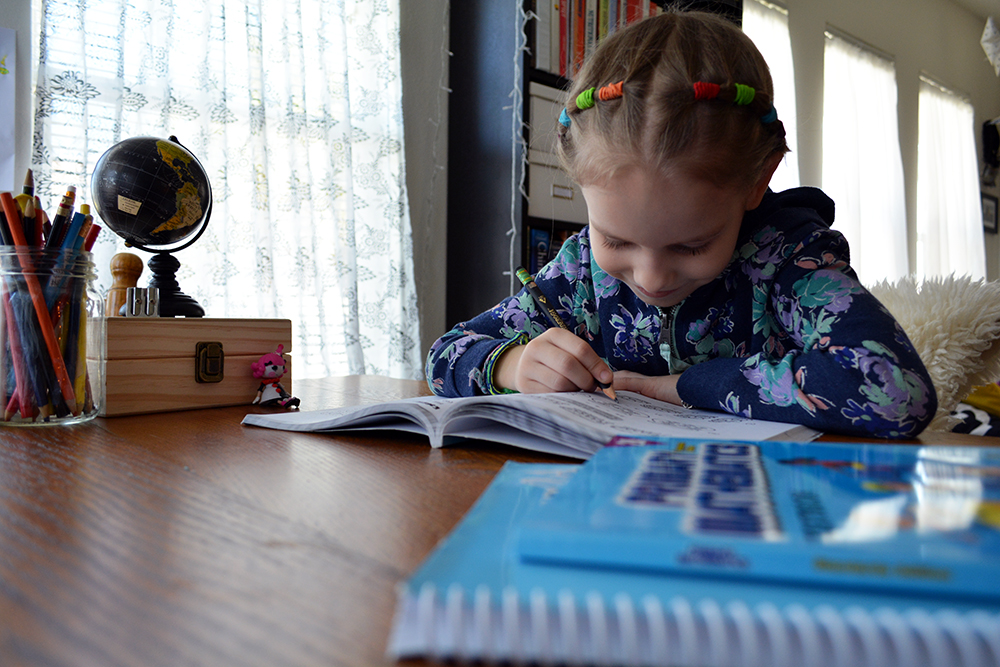
For a complete Primary Mathematics curriculum, you’ll need the Home Instructor’s Guide, textbook, workbook, and Mathlink cubes. One full year of math instruction will require a minimum of six books: A and B level Home Instructor’s Guide, A and B level textbook and A and B level workbook. The Home Instructor’s Guide serves as the planner and teaching guide for each lesson, after which the student is assigned a few workbook pages and a few textbook pages. Because Singapore is neither spiral nor mastery but a combination of the two, there actually aren’t that many problems assigned each day, so textbook and workbook together isn’t an overload of material. We do not currently do the separate supplementary Singapore Math practice books containing challenging word problems, tests, or intensive practice at this point, although they are available. At the end of the post, I list the additional math resources we currently utilize.

(For kindergarten, all you really need are Earlybird Kindergarten Textbooks A and B. More on that below.)
Why Singapore Math Works for Us: Answering Commonly Asked Questions about the Homeschool Math Curriculum (by Gina @ Oaxacaborn)

What are the grade equivalents to Singapore levels?

Before Singapore Math redid their website, they used to have a section stating that Singapore level B of one grade is equivalent to the first semester of the following grade (1B and 2A make up a typical second grade year, 2B and 3A are equivalent to third grade from another publisher, and so on). Once the website was revamped, that page disappeared. Now, the homeschooling planning section links to Singapore Math assessment/placement tests, and advise students start with an assessment two grade levels below their current math level.

What about middle school and high school (secondary-level) Singapore Math?

Primary Mathematics is available through Level 6B, then secondary-level Singapore math curriculum is available for levels 6, 7, and 8. (Why don’t the Singapore math levels and United States grade-level equivalents line up exactly?)

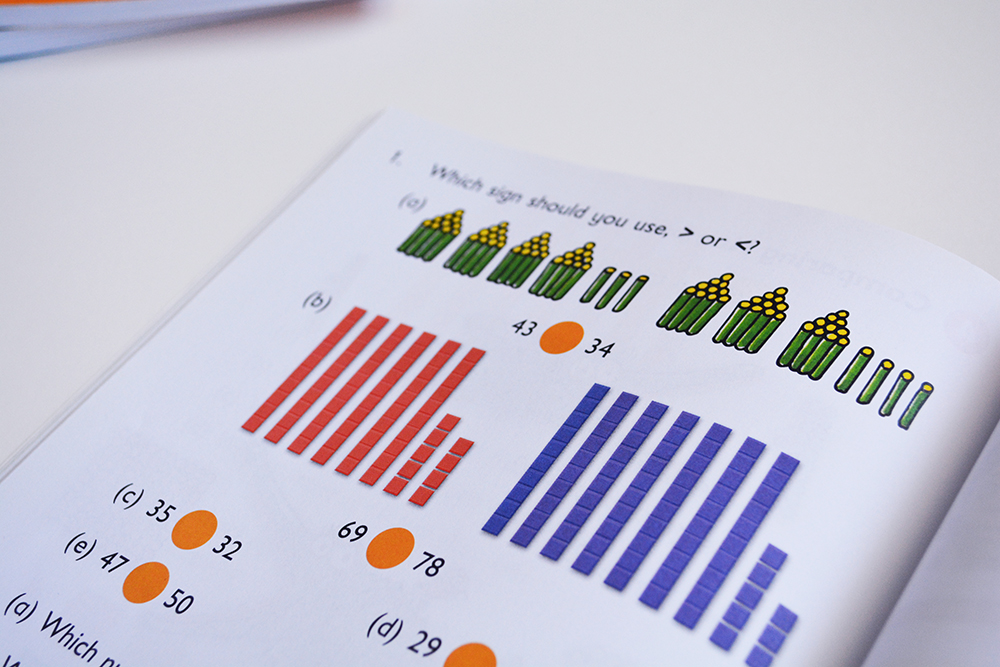
It is worthwhile to note that New Elementary Mathematics version (available in levels 7-8 or 1-2) is considered by the publishers themselves to be more rigorous than the Dimensions Math edition (available in levels 6-8). However, according to the Singapore Math website,  “A student who has completed either of these should be prepared for second year algebra or geometry at the high school level.  An advanced homeschooled student could potentially do a college level intermediate algebra or pre-calculus text.” [5]
Why Singapore Math Works for Us: Answering Commonly Asked Questions about the Homeschool Math Curriculum (by Gina @ Oaxacaborn)

Why Singapore Math Works for Us: Answering Commonly Asked Questions about the Homeschool Math Curriculum (by Gina @ Oaxacaborn)

What books do you recommend if I want to begin Singapore Math in preschool or kindergarten?

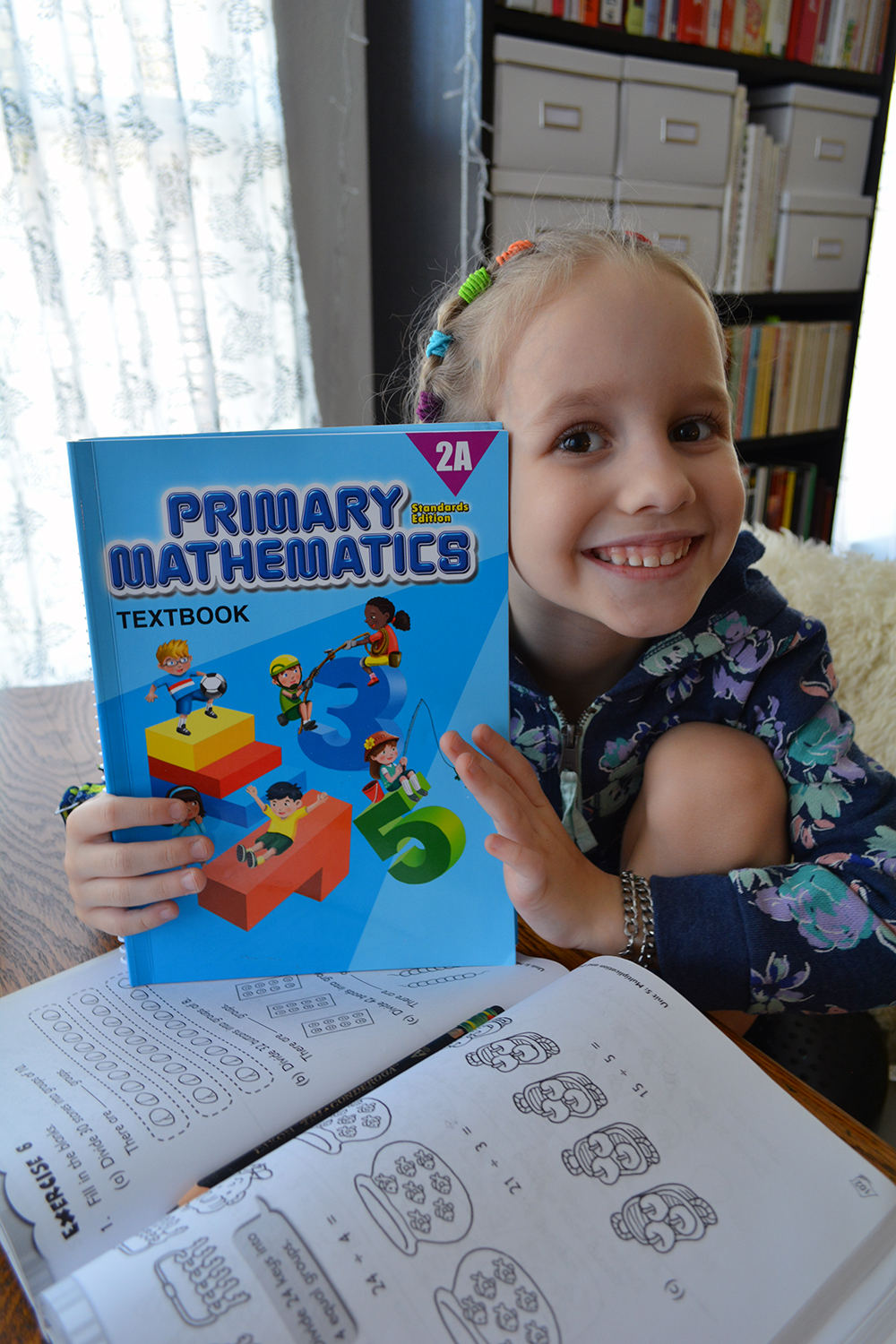
We used — and loved — Earlybird Kindergarten Math, Standards Edition. For both the A and B levels, a Teacher’s Guide, textbook, and activity book is available, as well as additional storybook readers. While I’m a huge proponent of the Home Instructor’s Guides for Primary Mathematics 1A and up, I actually found that for Earlybird, just Textbook A and Textbook B themselves provided a fun and comprehensive kindergarten math education. Unlike the Primary Mathematics textbooks which contain no teacher’s segment, Earlybird textbooks do include separate teacher’s notes at the bottom of each page, which guide the parent through each lesson.

The first book, A, doesn’t deal as much with actual numerals as it does with mathematical reasoning, and learning to express why sets of items are “different from” or “similar to” each other. This emphasis on why, focus on pictorial representation, and lack of writing makes Earlybird A a thorough yet developmentally-appropriate first introduction to mathematics and critical thinking. I would say the curriculum could be undertaken as early as four years old — or even an older three-year-old in the case of a precocious child.

Since the program starts out slowly, some fail to see the need for Earlybird A. However, by the end of Earlybird B, though, the practical foundation laid by the seemingly slow exercises in Earlybird A become very clear. We did lots more than one page/day during the easy units, and slowed down a bit for the more challenging units. Earlybird A and B are a terrific foundation for Primary Mathematics.

The whole kindergarten course is extremely simple and open-and-go. For A, the only manipulatives I used were shapes cut out of construction paper, although wooden or plastic tangrams would have been more practical and durable. Once you begin Earlybird B, I would recommend purchasing some physical counters (like the recommended Mathlink cubes as manipulatives.  You’ll want to have counters anyway as you go on to 1A and beyond, as they are an integral part of the program.

Singapore Math suggests additional manipulatives as well, should you wish to invest in more hands-on math materials.
Why Singapore Math Works for Us: Answering Commonly Asked Questions about the Homeschool Math Curriculum (by Gina @ Oaxacaborn)

Besides Singapore, what other resources do you use for elementary math?

If you have additional questions, please leave them in the comments and I’ll do my best to answer! [Edited to add: This is post is not in any way sponsored by Singapore Math or Marshall Cavendish. We just truly love this curriculum!]

This post has been linked to  iHomeschool Network’s Our Homeschool: What’s Working and What’s Not. Click the image below to read other #ihsnet bloggers’ mid-year curriculum reviews!

Why Singapore Math Works Best for Us: A Look Halfway Through the School Year

Continue reading “Why Singapore Math Works Best for Us in our Homeschool”

Book Reviews, Curriculum Reviews, Homeschooling

Finding Accurate Thanksgiving History Books for Kids

Finding Accurate Thanksgiving History Books for Kids

Finding Accurate Thanksgiving History Books for Kids

Looking for accurate Thanksgiving history books for children can be difficult. So many of them have been romanticized to the point of falsehood.

[We are a participant in the Amazon Services LLC Associates Program, an affiliate advertising program designed to provide a means for us to earn fees by linking to Amazon.com and affiliated sites. 

As an Amazon Associate I earn from qualifying purchases.]

Stories about the Pilgrims and the colonial times overall  are often problematic anyway. Many of the books which do provide a truly accurate account contain content unsuitable for sensitive children. Child-friendly volumes, on the other hand, often take liberties with history, since the true story of the colonies’ tragedies and trials isn’t a child-friendly topic. And of course — and this is a biggie — many books about Pilgrims depict Native Americans in a incredibly offensive way. (I’ve written more about the way Native Americans are depicted in children’s literature.)

Squanto’s Journey

Thankfully, Joseph Bruchac’s Squanto’s Journey: The Story of the First Thanksgiving is one of those rare early American history books. It’s accurate and compelling while still being child-friendly. In fact, it’s the only picture book about the first Thanksgiving I recommend.

With empathy and strength, the author — who is of Native American ancestry himself — tells Squanto’s story in the first person.  I love how he begins not with the First Thanksgiving or with planting corn, but with Squanto’s first difficult journey away from North America to England. Squanto is portrayed as a man of courage, and Bruchac masterfully writes of Squanto’s difficult role in Patuxet-turned-Plymouth.

With a book as solid, factual, and beautiful as this, there’s no reason to turn instead to watered-down inaccurate stories about this misunderstood man. Definitely add it to your library request queue or your bookstore wishlist if you haven’t already.

Three Young Pilgrims

Another book which handles this difficult time period fairly tastefully, but not perfectly, is Three Young Pilgrims by Cheryl Harness.  This is a good choice to give children a broad overview over of the Pilgrim perspective during the early colonial years,  since it shows various trials, hardships, and joys the Pilgrims experienced while adjusting to the New World during and after arrival.  Kids will love the large, illustrated primer format, and the wealth of hand-lettered facts incorporated into the rich, brooding illustrations.

But there’s a caveat: the author admits in the foreword that Three Young Pilgrims only tells “part of the story”,  and hopes it will “lead the reader to study further”.  I agree. It’s beautiful and touching, but glosses over a few details and romanticizes a bit, so definitely read it alongside Bruchac’s book.

Help Your Kids Separate Thanksgiving Fact from Fiction

And talk to your kids! Like Cheryl Harness said, that any book we read only tells “part of the story”.  As children take in the folklore surrounding the holiday this Thanksgiving, let’s begin conversations to help kids sort out legend from historical fact. I’ve created a series of discussion prompts to help you talk about real Thanksgiving history with your kids — click here to read 10 Thanksgiving History Conversation-Starters for Kids.

Finding Accurate Thanksgiving Books for Kids

What resources are you using to delve into Thanksgiving history this year?

Homeschooling, Poetry & Words, Theology

The Autumn Liturgy of Rest: How Seasons Can Prepare our Hearts

The Autumn Liturgy of Rest: How Seasons Can Prepare Our Hearts

I’m drawn to the changing of the seasons, the time of the year when everything is on the cusp and the old world starts dying and the new world starts coming on [1]. ( Each new day does this too, but the rising sun doesn’t bring out the poetry in me.  Maybe that’s why I’m drawn to liturgical holidays— this neat and tidy slicing up of seasons, tied to the calendar but not the clock.

It’s a reminder that mercy is new, always.)

And I like the changing of the seasons for the nudge to pause and breathe. It’s a time to take stock of whether or not frenetic busyness has creeped in, unnoticed, encroaching on our calm and peaceful margins.  Margin is important to me. Margin is vital. I cannot thrive without margin.

In the 1990s, Dr. Richard Swenson wrote about this in his book “The Overload Syndrome: Learning to Live Within Your Limits“, saying, “We must have some room to breathe. We need freedom to think and permission to heal. Our relationships are being starved to death by velocity. No one has the time to listen, let alone love. Our children lay wounded on the ground, run over by our high-speed good intentions. Is God now pro-exhaustion? Doesn’t He lead people beside the still waters anymore?”

The Autumn Liturgy of Rest: How Seasons Can Prepare Our Hearts (from the Oaxacaborn blog)

The changing of the seasons, for me, means a reminder to cultivate those still waters in my own home. I have good intentions, of course, but they are prone to slip, and the seasons give me pause to reconsider whether I am still being intentional about my goals of rest.

Rest doesn’t happen on its own. We must fight for rest.

There’s no escaping it this time of year in Eastern Europe and in the American North. The leaves surge with one last burst of chlorophyll, summer’s flowers tuck their heads, and heirloom rugs are rolled up and beaten outside, clearing the stage for fall, scouring the home for winter, and steeling one’s heart against the coming wintry blast. All of nature is preparing for the quieter, slower season.

The Autumn Liturgy of Rest: How Seasons Can Prepare Our Hearts (from the Oaxacaborn blog)

There’s no such meteorological shift in the climate, here.  I’ve never seen anyone take a rug out of the front door to clean it. But the days are lengthening, even if the air plants still cling to the palm trunks, and the egrets never stop sifting through the marshes for brunch.  But I don’t need an obvious equinox outdoors to prepare my home and heart for the autumnal shift, setting out pumpkins on the stoop, simmering ginger and spice on the stove, singing along to my favorite music, and pressing vinyl cling leaves up against the window panes.

This takes time and intention — and more often than not, it takes saying no to things, even good things.  You might feel silly saying “no” to that extra event, that meet-up, that task you’re not even obligated to do for the committee. You might feel self-conscious regularly scheduling in an entire day (or a week!) to breath in the scent of the autumn blend wafting out of the diffuser, stash away the clutter and close the laundry closet doors, pick up the toys off the floor and switch out the bathroom hand soaps. After all, tomorrow, the laundry doors will be open again, the LEGOs will be strewn — but you know what else? Tomorrow, the leaves on the window panes will catch your eye and the lingering aroma of clove and cinnamon will still flutter in and out of the curtains. And there’s a certain transforming power this has on the heart. Somehow, I find that when the house is clean, when corners of the home hint at  the changing season, I feel more calm and purposeful.

I suppose this is a way of presenting a visible reminder of worship before my eyes.  And in the autumn especially, when all of creation is storing and stockpiling and preparing to slow for hibernation, this visible reminder of worship pulls me into the present, and slows me. It’s easier to sit down and drink in the Word, when the clutter isn’t pulling my attention away. It’s easier to help my daughter navigate that non-stop brain of hers, when I’m not stressed over the neglected housework.

The Autumn Liturgy of Rest: How Seasons Can Prepare Our Hearts (from the Oaxacaborn blog)

No, I’m not perfect. I haven’t learned this art  yet. My home is not a spotless showcase. I know a slower rhythm doesn’t solve the pressing problems of the world. This doesn’t instantly heal what hurts. We are real, and real people are messy people. But real people can also be purposeful people, fighting for what matters.

Preparing our homes and hearts for the season sets the stage for contentment, and for cultivating margin. That makes a big, big difference.

You see, it is difficult to pursue purpose without margin.

It is difficult to even complete tasks effectively — to say nothing of cheerfully or contentedly — without margin.

Dr. Swenson told the story of how at one point before his epiphany of rest, he was so overwhelmed, overloaded, over-scheduled and burnt out as a physician that he actually deeply resented his patients for being sick. I find in my own life, that in times of marginless frenzy, I resent my tasks as a wife, mother, and full-time educator (that last one takes up every waking hour — can you relate?)

But I refuse to glorify “busyness”.  I refuse to put “busyness” on a pedestal. I’d much rather fight for margin and rest, wouldn’t you?

It’s not a popular choice. Possibly, fighting for rest for your family might put you in uncomfortable situations. It might make you unpopular for a time. But it will also make you peace-filled.

The

Swenson writes of contentedness: “It has so little cultural traction that I don’t even hear it in casual conversation, let alone preached or praised. The word contented has been replaced by driven, aggressive, hungry, ruthless, relentless.

Taking a deeper look, however, we notice that contentment has been a principle in good standing throughout history, endorsed by philosophers, statesmen, men of letters and theologians of all religions. Even if times were marked by destitution, tragedy and pestilence; even if gutters were filled with beggars, doorways filled with prostitutes and people beat each other with chickens; still, contentment was lifted high. Thought leaders endorsed contentment as a source of hidden comfort and riches, treasured within a human heart despite circumstances.

It is only recently that contentment has fallen out of favor. With the escalating totalitarianism of progress and economics, something had to give, so contentment was replaced by unbridled ambition. No one stopped to have a memorial service nor slowed to light a candle.” [2]

This autumn, won’t you join me in making margin and rest your ambition? Let’s slow down together, and purpose to let our hearts rest in contentedness, no matter the storm outside.

I’ll light a candle  or three to that.

Book Reviews, Homeschooling

#OAXACABORNREADS // The Lucky Bamboo Book of Crafts: Over 100 Projects and Ideas Celebrating Chinese Culture

#OAXACABORNREADS // The Lucky Bamboo Book of Crafts: Over 100 Projects and Ideas Celebrating Chinese Culture

#OAXACABORNREADS // The Lucky Bamboo Book of Crafts: Over 100 Projects and Ideas Celebrating Chinese Culture

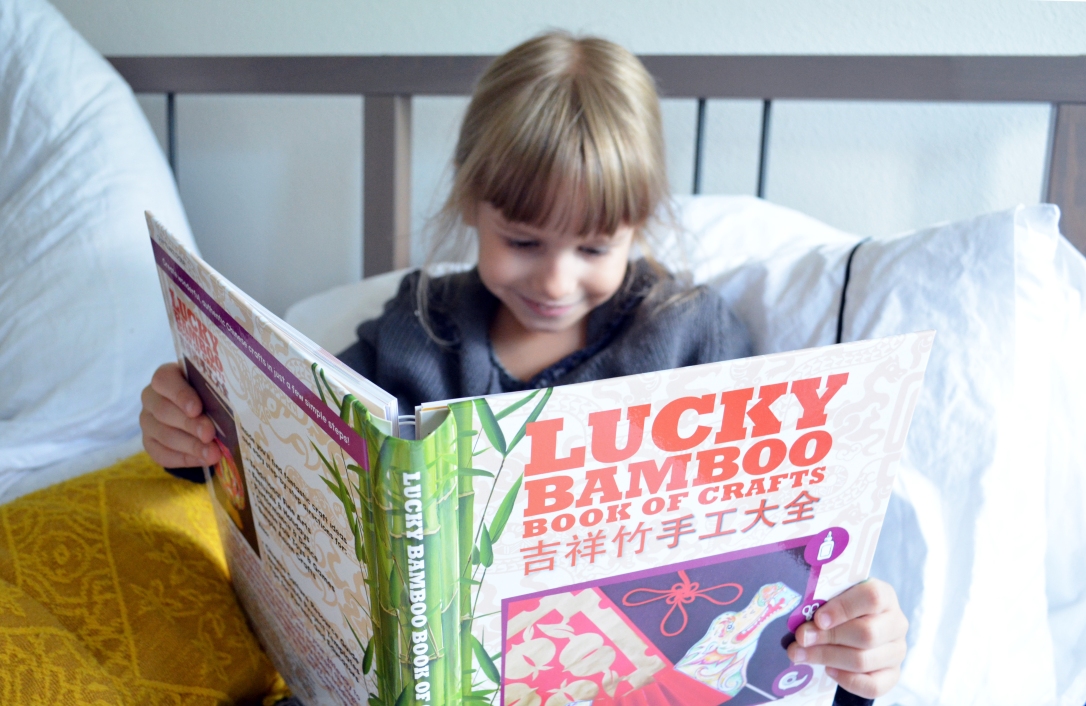
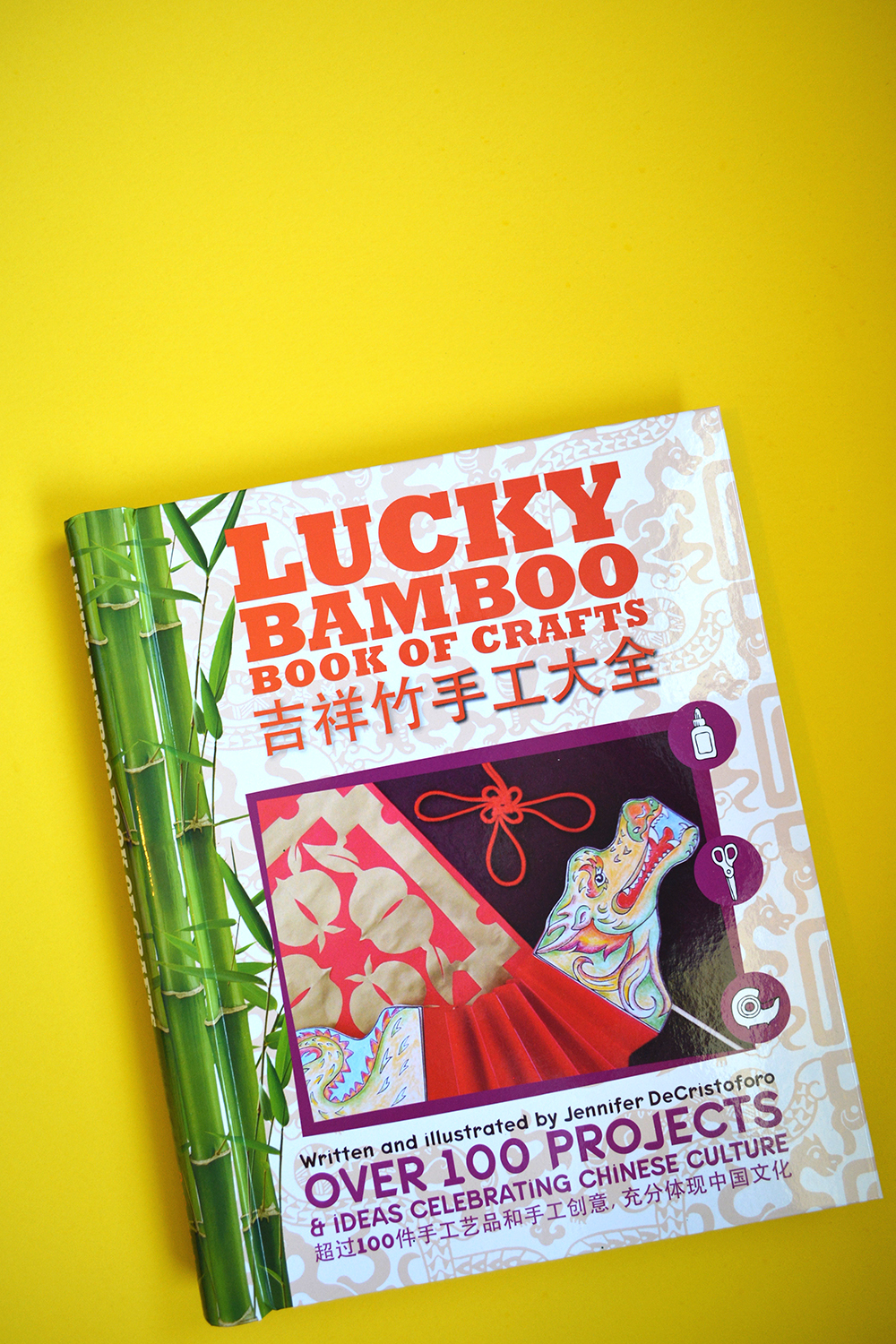
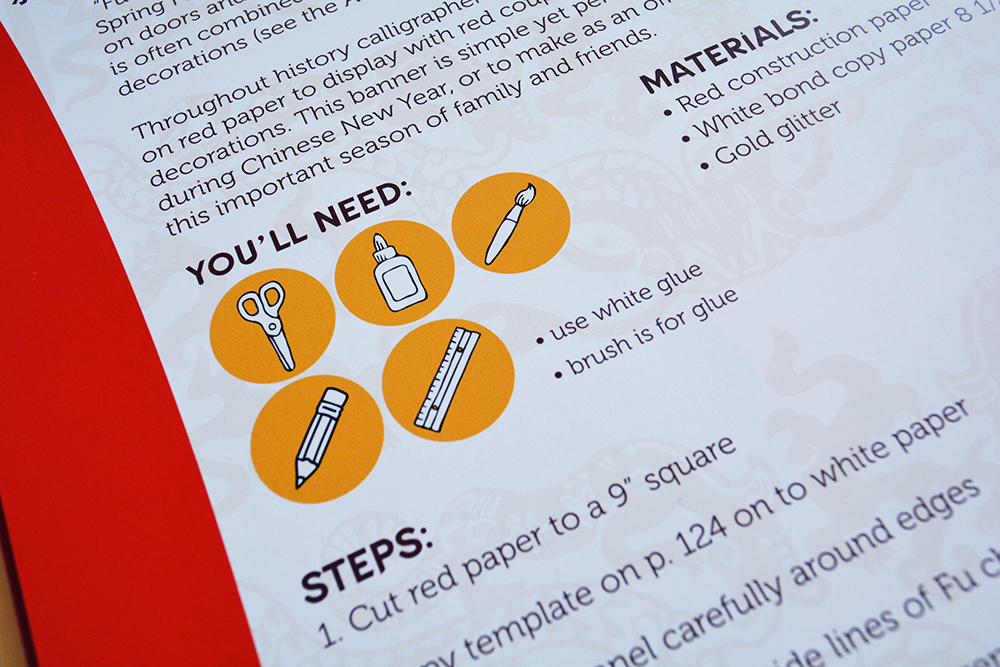
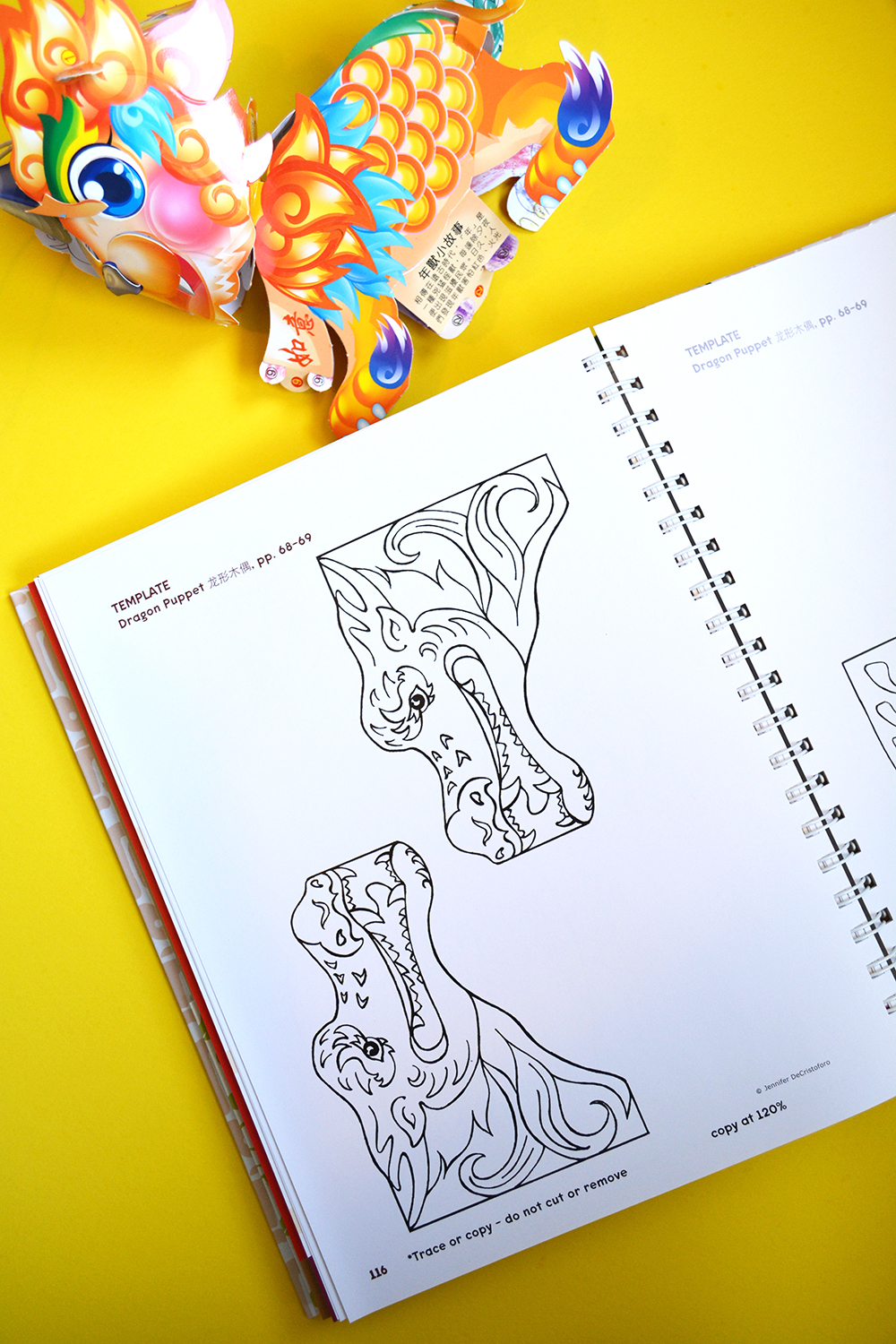
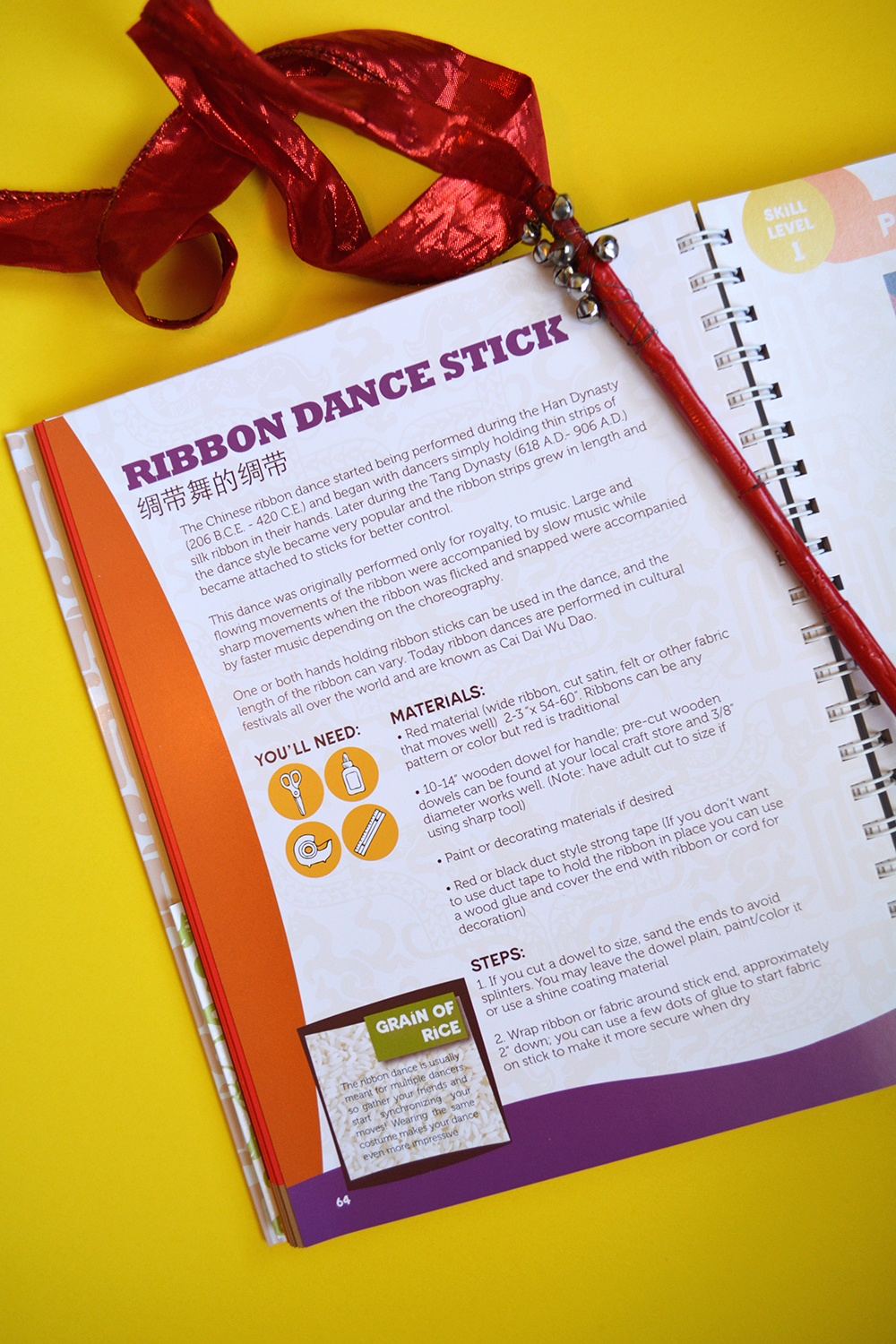
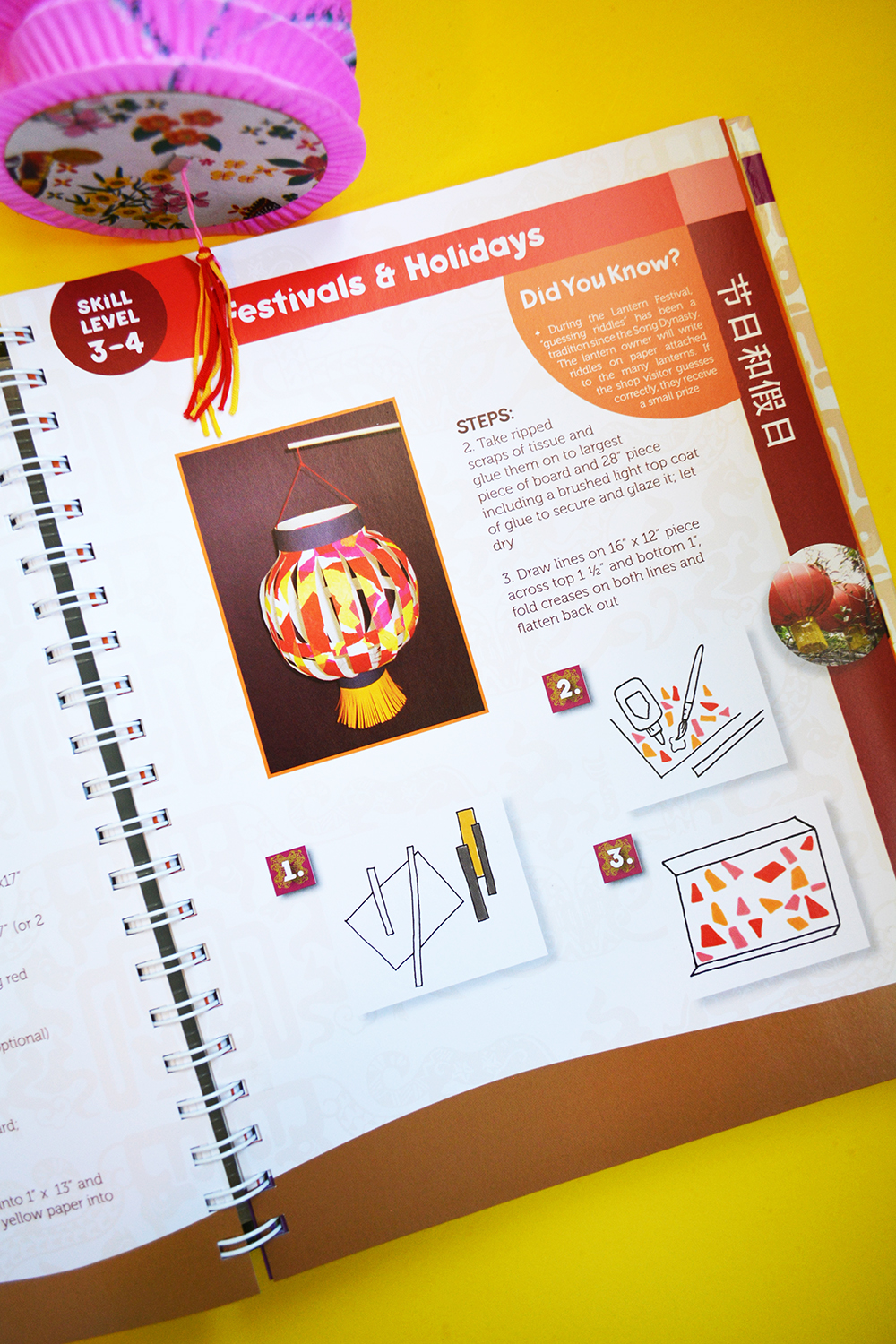
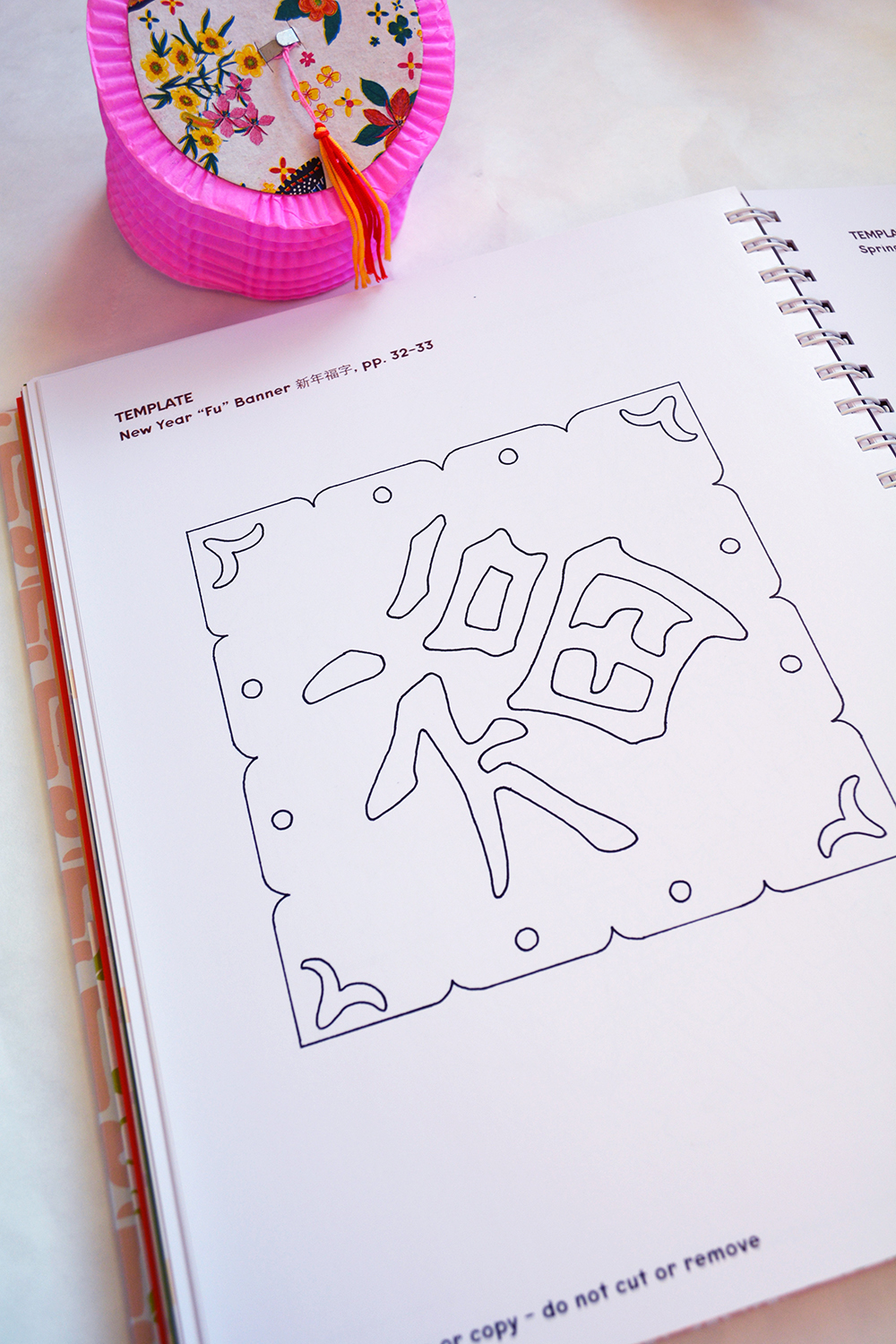
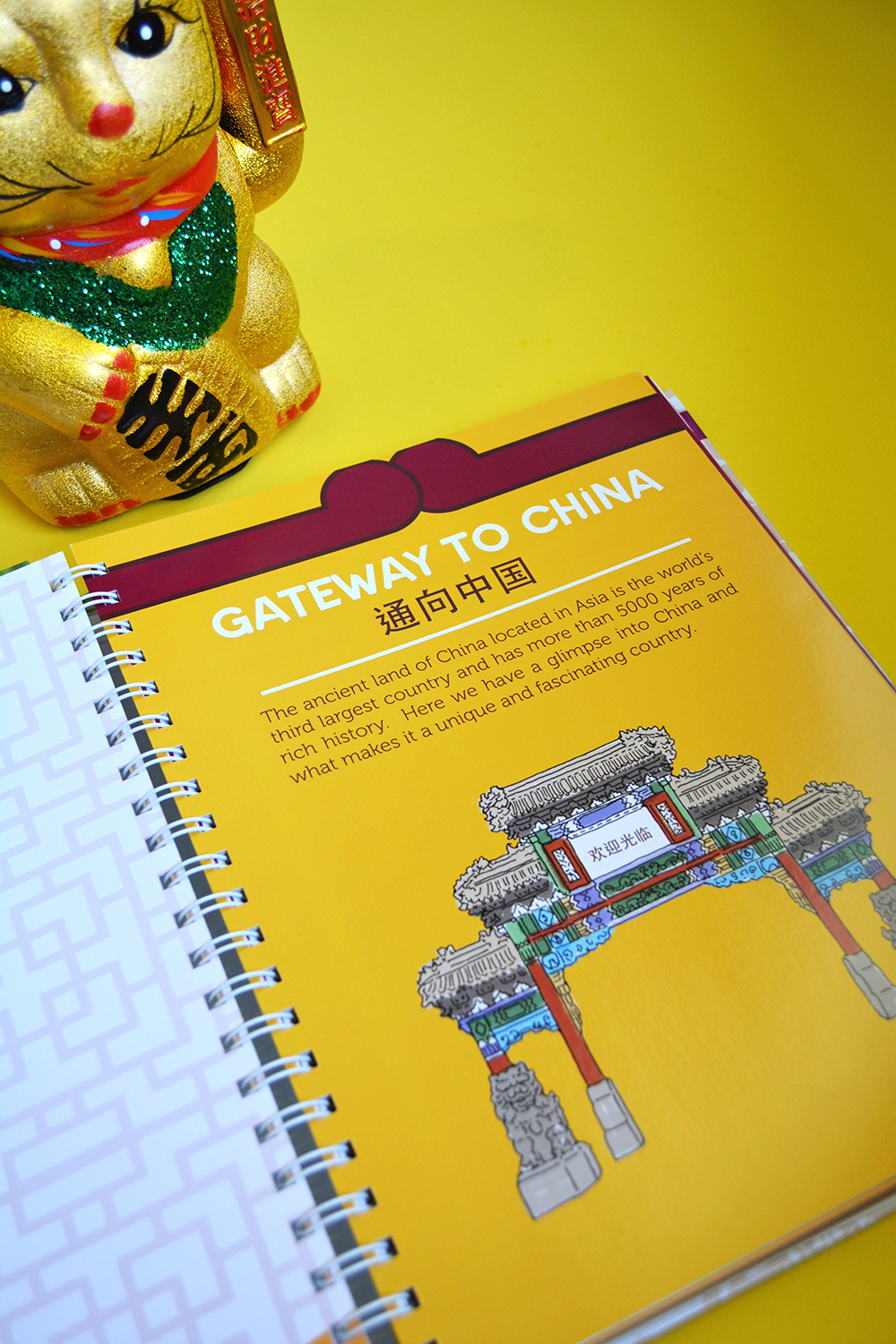
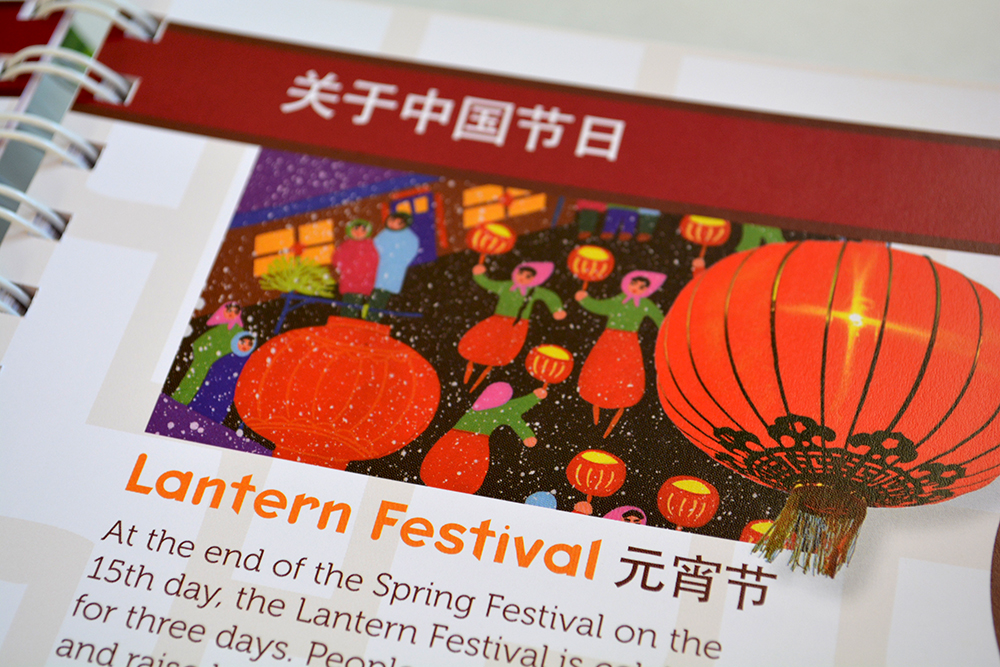
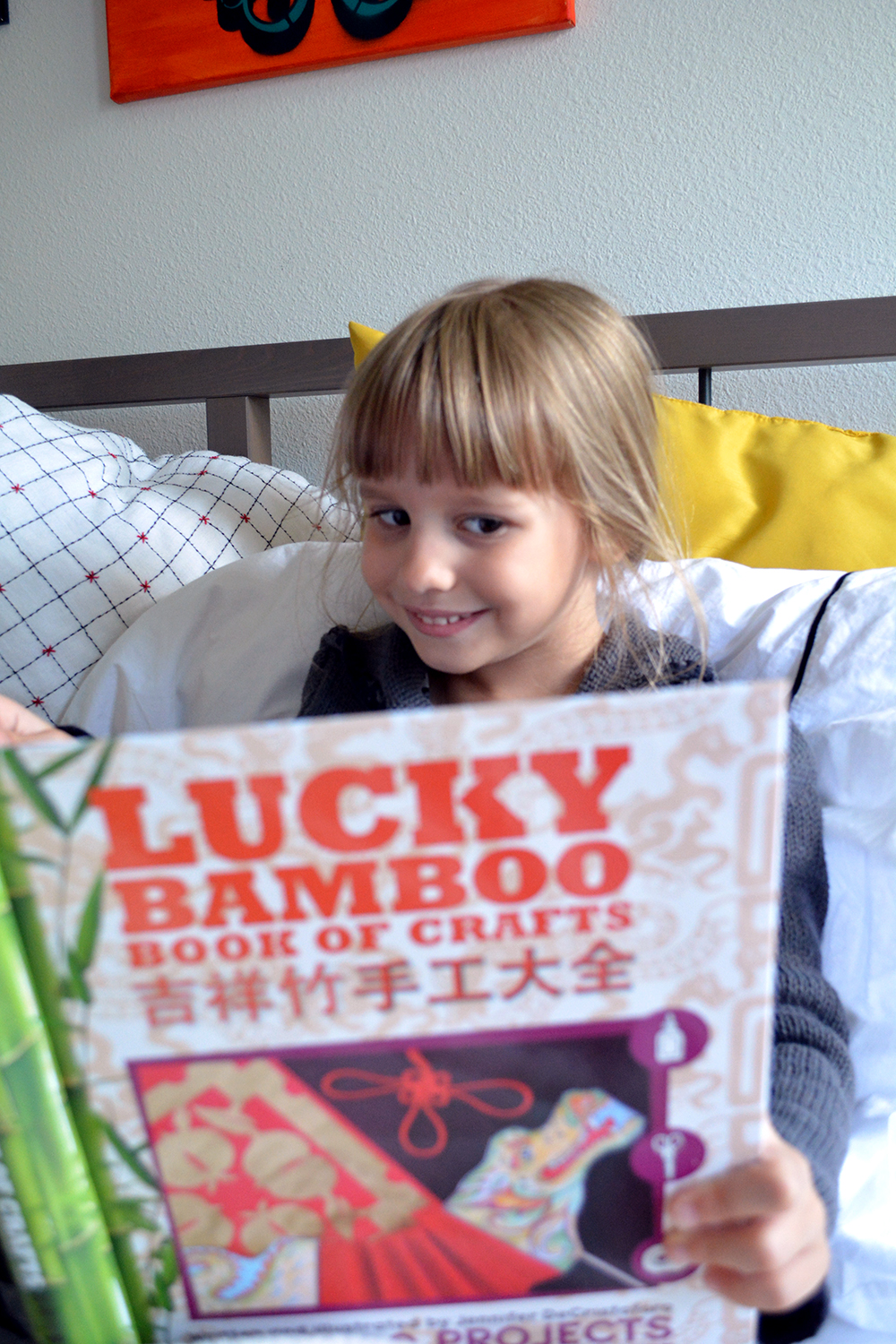
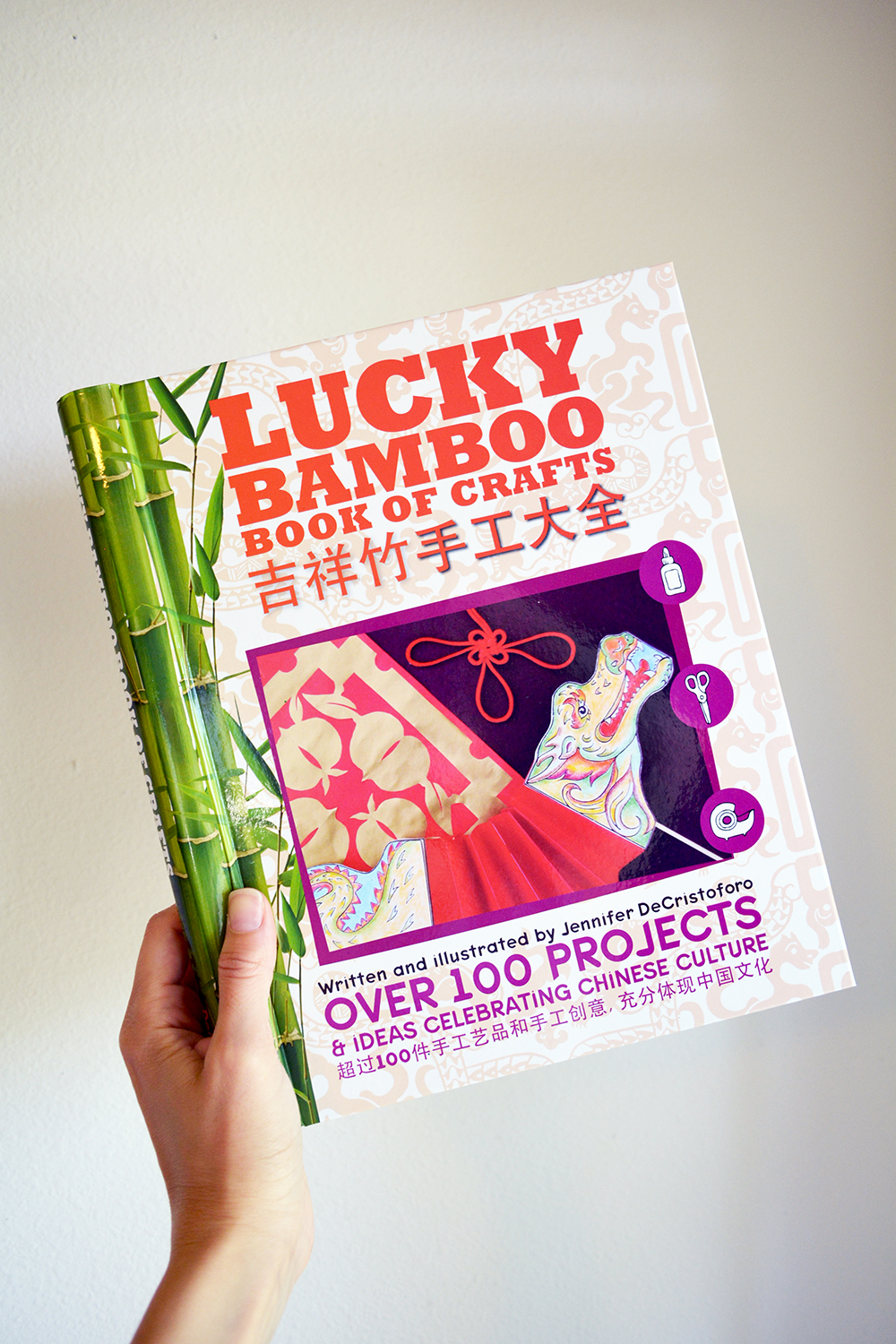
If you’re teaching your kids Mandarin Chinese and are looking for a hands-on way to supplement the lessons, or if you’re searching for summer kids’ craft projects which are also culturally and historically relevant, you’ll love this book. Now that Chinese school is out for the summer, we’re looking forward to creating shadow puppets, lanterns, traditional knots, banners, and even a floating dragon boat — all from the instructions and templates in the “Lucky Bamboo Book of Crafts”!

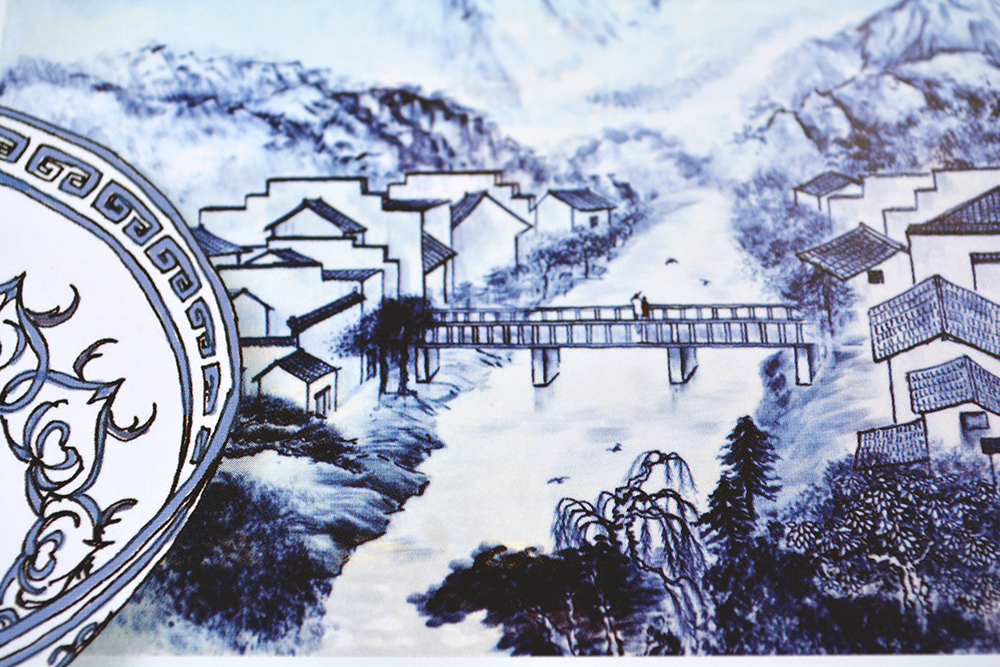
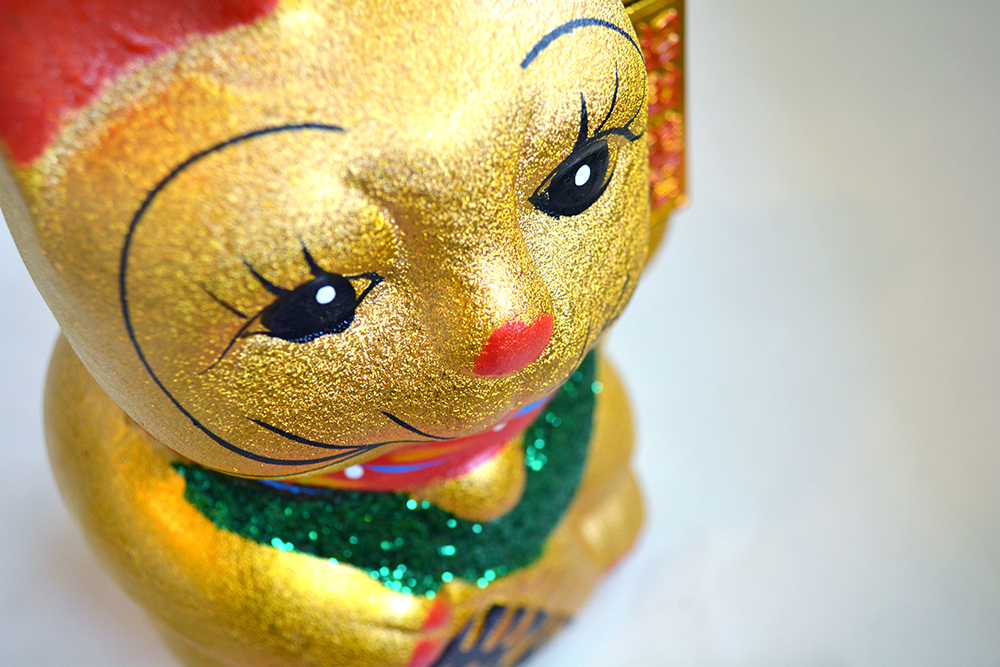
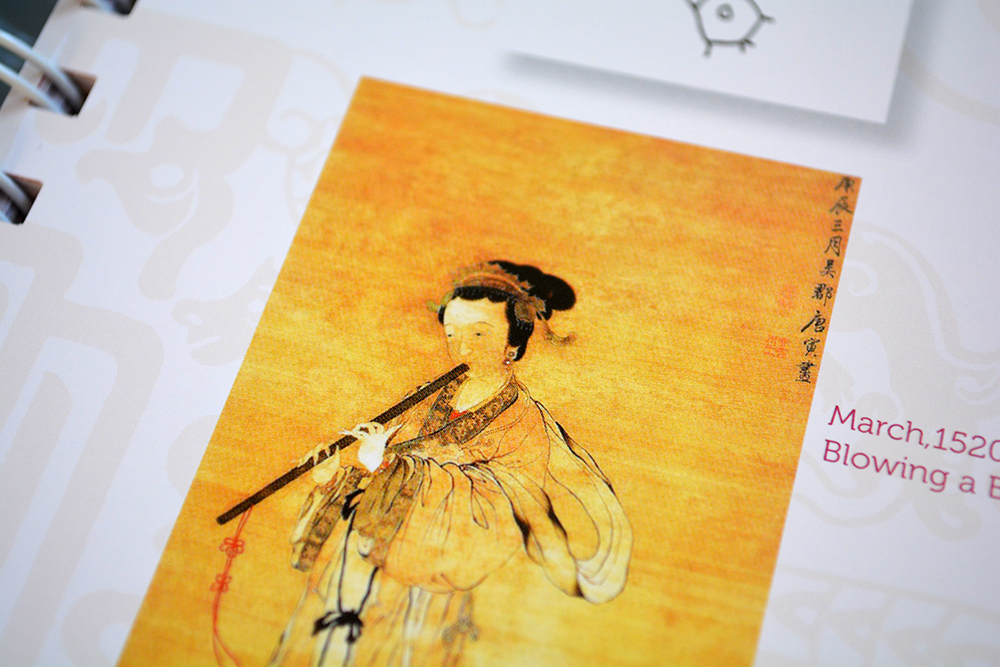
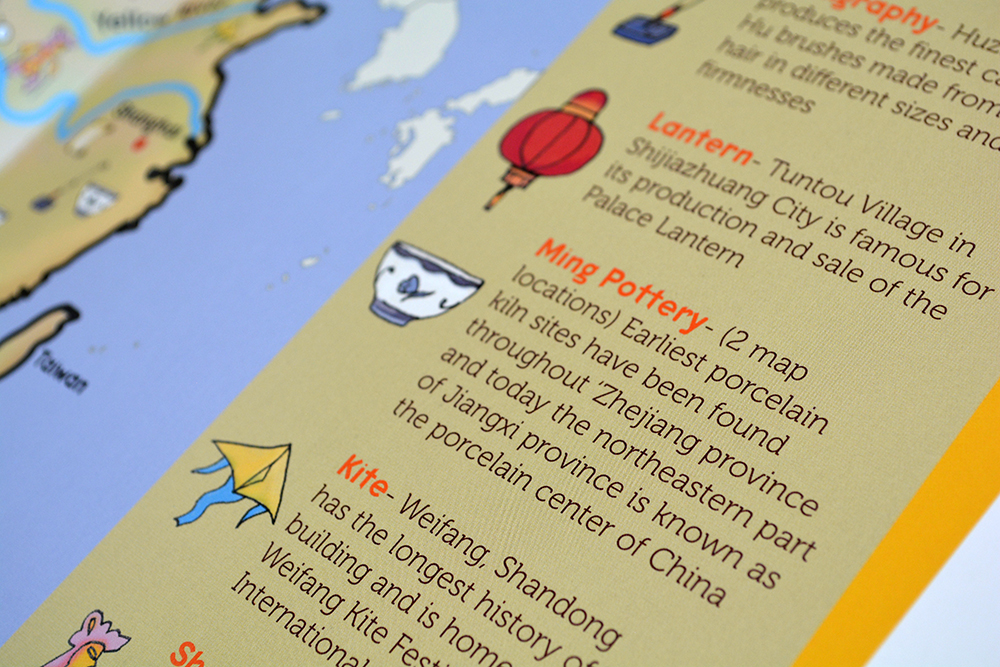
Author Jennifer DeCristoforo has provided clear, illustrated, step-by-step instructions for each project; she also explains how the craft relates to Chinese culture. Throughout the book, “Did You Know?” sidebars entertain and inform, and photographs and art provide insight into traditional art forms.

Each craft is given a Level 1 through Level 4 designation to mark the difficulty. Level 1 crafts can be attempted by 3- to 6-year-olds, while a Level 4 activity is ideal for 12- to 15-year olds. Regardless of complexity, the directions remain simple and engaging, with  illustrations and icons to aid the crafter. Where intricate designs — or Chinese characters — are required to complete a project, the book’s appendix contains all the reproducible templates needed (this is a huge plus!)

And the book lends itself well to actual, practical use, because the practical spiral-binding means the book easily stays open and lies flat, and the hardcover and thick, glossy pages hold up against heavy wear.

This book really is a celebration. Jennifer DeCristoforo’s daughter was adopted from China in 2003, and “Lucky Bamboo Book of Crafts: Over 100 Projects and Ideas Celebrating Chinese Culture” is a beautiful tribute to her heritage.

You can purchase the “Lucky Bamboo Book of Crafts” on Amazon, or order directly from Jennifer, so more of the proceeds go to the author and not to Amazon. ;)

If you want to see even more book recommendations, follow my Instagram account, @oaxacaborn, and watch for the #oaxacabornreads hashtag. To receive an update in your inbox each time I publish a post, click here.

Happy summer of crafting!

#OAXACABORNREADS // The Lucky Bamboo Book of Crafts: Over 100 Projects and Ideas Celebrating Chinese Culture

#OAXACABORNREADS // The Lucky Bamboo Book of Crafts: Over 100 Projects and Ideas Celebrating Chinese Culture

#OAXACABORNREADS // The Lucky Bamboo Book of Crafts: Over 100 Projects and Ideas Celebrating Chinese Culture

#OAXACABORNREADS // The Lucky Bamboo Book of Crafts: Over 100 Projects and Ideas Celebrating Chinese Culture

#OAXACABORNREADS // The Lucky Bamboo Book of Crafts: Over 100 Projects and Ideas Celebrating Chinese Culture

WEB_13_Oaxacaborn_Lucky-Bamboo-Book-of-Crafts_Chinese-Crafts

WEB_4_Oaxacaborn_Lucky-Bamboo-Book-of-Crafts_Chinese-Crafts

#OAXACABORNREADS // The Lucky Bamboo Book of Crafts: Over 100 Projects and Ideas Celebrating Chinese Culture

#OAXACABORNREADS // The Lucky Bamboo Book of Crafts: Over 100 Projects and Ideas Celebrating Chinese Culture

WEB_20_Oaxacaborn_Lucky-Bamboo-Book-of-Crafts_Chinese-Crafts

#OAXACABORNREADS // The Lucky Bamboo Book of Crafts: Over 100 Projects and Ideas Celebrating Chinese Culture

#OAXACABORNREADS // The Lucky Bamboo Book of Crafts: Over 100 Projects and Ideas Celebrating Chinese Culture

#OAXACABORNREADS // The Lucky Bamboo Book of Crafts: Over 100 Projects and Ideas Celebrating Chinese Culture

#OAXACABORNREADS // The Lucky Bamboo Book of Crafts: Over 100 Projects and Ideas Celebrating Chinese Culture

#OAXACABORNREADS // The Lucky Bamboo Book of Crafts: Over 100 Projects and Ideas Celebrating Chinese Culture

#OAXACABORNREADS // The Lucky Bamboo Book of Crafts: Over 100 Projects and Ideas Celebrating Chinese Culture

Did you enjoy this post? Click here for the permalink, and then pin to Pinterest.

We are a participant in the Amazon Services LLC Associates Program, an affiliate advertising program designed to provide a means for us to earn fees by linking to Amazon.com and affiliated sites.

Learning

Homeschooling, Poetry & Words, Theology

Why a Global Perspective is an Essential Part of a Christian Worldview

Gina_Munsey_Sonlight_2Gina_Munsey_Sonlight_5

I’ve always loved maps — the delicate wandering lines, the stars and circles hovering over city centers, the softly-worn paper folds creating ridges and peaks where the creases bisect latitude and longitude.

Maps, to me, are about more than just distance.

Maps hold stories, and remind me how connected we all are.

I’m thrilled to say you can read more of my thoughts on this over on the Sonlight Curriculum blog, where I recently had the chance to talk more about the human connections maps hold, and why I believe a global perspective is absolutely essential for not just homeschoolers, but for all Christians.

Head on over, and leave a comment, if you are so inclined!


Image Credits: Priscilla Barbosa Photography

Homeschooling, Life in Photos, Poetry & Words

Books, Books, Books: the Evolution of the Oaxacaborn Blog

Books, Books Books: The Evolution of the Oaxacaborn blog

When I started blogging publicly — over at Xanga, fourteen years ago! — I was in college, and blogged too many song lyrics and homework details. Then over the years, I moved back and forth across the country, working at sheet metal factory, a juvenile detention center, and an IT department, and wrote about all the ups and downs. When I became a mother, I even went through a phase where I predictably blogged about cloth diapers (I am so sorry). I’ve written about death, beauty, brokenness, joy — and interior design. And you’ve likely noticed that in the last few months, I’ve written a few longer pieces about homeschooling.

My blogging “methodology”, if you can call it that, hardly follows all the blogging advice. It’s always just followed the seasons of my life. But that’s the beautiful thing about life, too — it’s not stagnant.  It moves like a current. It flows, it goes through seasons, through changeable states of being. Way down at the bottom of this blog, in the footer, Anaïs Nin reminds me, “Life is a process of becoming, a combination of states we have to go through. Where people fail is that they wish to elect a state and remain in it. This is a kind of death.”

Books, Books Books: The Evolution of the Oaxacaborn blog

I kind of feel like things are coming full circle for me, and it all has to do with books. As a girl, I devoured books, and read everything I could get my hands on. Now, it’s only April, and Aveline’s already read 130 books since the beginning of the year. So, you’ll probably be seeing a lot more posts about literature and children’s books, and more posts about homeschooling. (Although, this is no surprise if you follow me on Instagram @oaxacaborn). I have so many good books to share with you all, but I’ve been holding back, thinking for some reason that this isn’t the right place for it, and worried about losing followers. Well, that’s kind of ridiculous. Because when it comes right down to, perhaps, like Margaret Atwood said, “Perhaps, I write for no one. Perhaps for the same person children are writing for when they scrawl their names in the snow.”

I’m just thankful some of you keep following along as I scrawl in the snow.

Books, Books Books: The Evolution of the Oaxacaborn blog

To receive an update in your inbox each time I publish a post, click here.

Homeschooling, How To, Theology

Uncovering the Worldview Hidden in your Homeschool Curriculum

Uncovering the Worldview Hidden in Your Homeschool Curriculum
Are you trying to decide what homeschool curriculum is right for you? Homeschool publishers often sort curriculum into secular, neutral, and Christian categories, and further divide science resources into Old Earth Creationism, New Earth Creationism, and evolution. Even with those categories, when you’re faced with dozens of catalogs, or hundreds of enticing vendors, it can be hard to know what a publisher’s worldview really is. The truth is, the nuances of worldview go far deeper than those already weighty topics.

But as a second-generation homeschooler who’s had some close scrapes with fundamentalism, I know first-hand how important it is not to cut corners when evaluating a publisher’s worldview. You have to take the time to uncover what the authors are truly trying to get across.  When I’m trying to unearth the worldview of any given curriculum, I start my search by looking at the author’s perspective on on rules, religion, race, and women.

Here are the seventeen crucial questions I ask when trying to determine a homeschool curriculum’s worldview:

  1. Does this material assume all girls should grow up to be wives and raise children, or does it empower and inspire girls to follow whatever path God calls them to, recognizing that not all women marry, and some struggle with infertility?
  2. Does it highlight women and girls as independent actors?
  3. Does it tell stories of women beyond focusing on their roles in a family?
  4. Does the material promote compliance with a set of rules, or does it allow for freedom and grace?
  5. Does this material present a morality-first viewpoint, emphasizing outward virtues and traits with the goal to get the child to imitate certain character values, or does it recognize that it’s only through a heart surrendered to Jesus that a person can only be truly transformed?
  6. Does the material oversimplify good and evil and present it as an easy-to-spot either-or choice; or does it teach analytical and critical thinking skills, discernment, and problem-solving?
  7. Does the material only present what to learn and/or believe, or does it also provide context and a “why” behind the belief?
  8. Does the material present history predominately from a Western perspective, or does it also present facts from a non-European point-of-view?
  9. Does the material perpetuate the idea of “otherness” by teaching about non-European cultures using stereotypical depictions, or does it allow for each culture to have its own strong, rich, identity?
  10. Does the material mainly contain books with white main characters, or does it offer books with nuanced, fully-developed, non-stereotypical heroes and heroines of diverse backgrounds?
  11. Does the material teach (implicitly or explicitly) that the “primary” actors in history or literature are white? Who does it teach my child to identify and sympathize with?
  12. Does the material attempt to “Christianize” certain historical events, or does it recognize that every event has more than one side?
  13. Have I truly evaluated the content and worldview of this material, or am I simply choosing this material because it’s popular in homeschooler subculture?
  14. Will this material allow my child to be challenged to the best of his/her God-given ability, or am I simply choosing this material because of its price point / ease-of-use / etc?
  15. Will this material equip my child to follow any number of career paths God might have in store for him/her, or am I choosing this material because I want my child to follow the path I have in mind?
  16. Is this material based on fear and reliance on man’s own goodness to combat what is perceived as evil, or does it promote courage and a reliance on Jesus?
  17. Is this material designed primarily to shelter and insulate my child, or is it designed to inform, equip, and empower?

What essential questions would you add?

This list above is excerpted from an interview I originally gave with Amanda of Sicily’s Heart & Home, on the topic of Christian education as equipping, not as sheltering.