by Gina Munsey | Homeschooling | Diverse Global Reads
Author: Gina @ Oaxacaborn
Gina Munsey is a Mexico-born, Eastern Europe-raised missionary kid who ended up being a Californian by way of Florida outside of Nashville, Tennessee. She lives her days full of coffee and adventures while her 12-year-old learns Mandarin Chinese and Greek, her 3-year-old uses all the markers, and her artist-husband creates worlds from pixels and light. A blogger since the turn of the century (ouch!) she's an editor, co-op teacher, and writer who has only completed four chapters of her languishing manuscript. You can find Gina right here at oaxacaborn.com, or in the middle of [home]school surrounded by stacks and stacks of books.
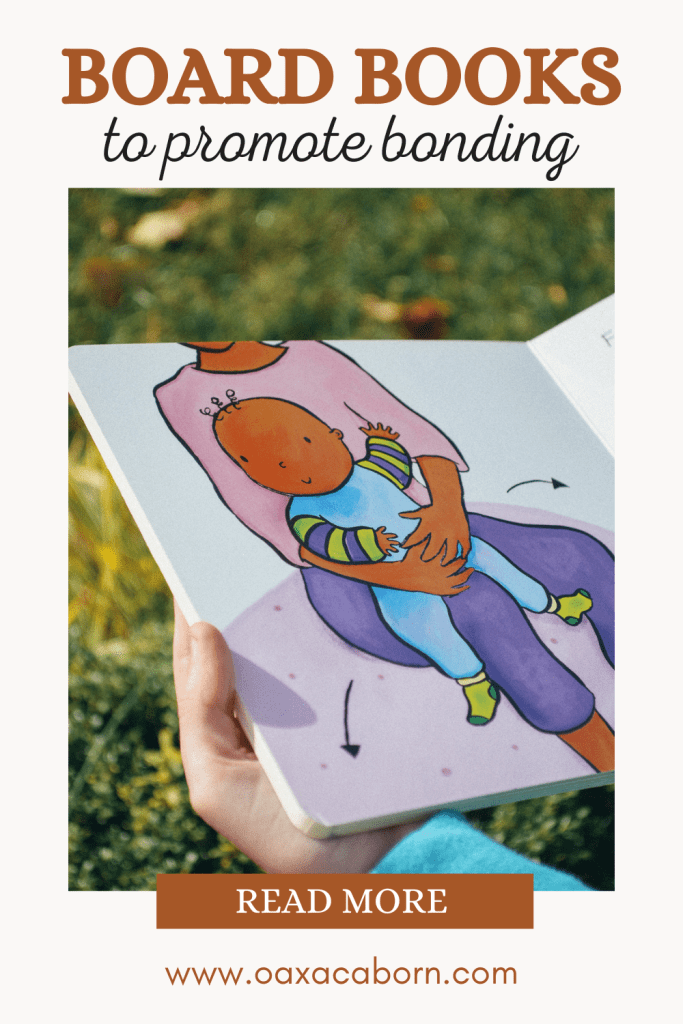
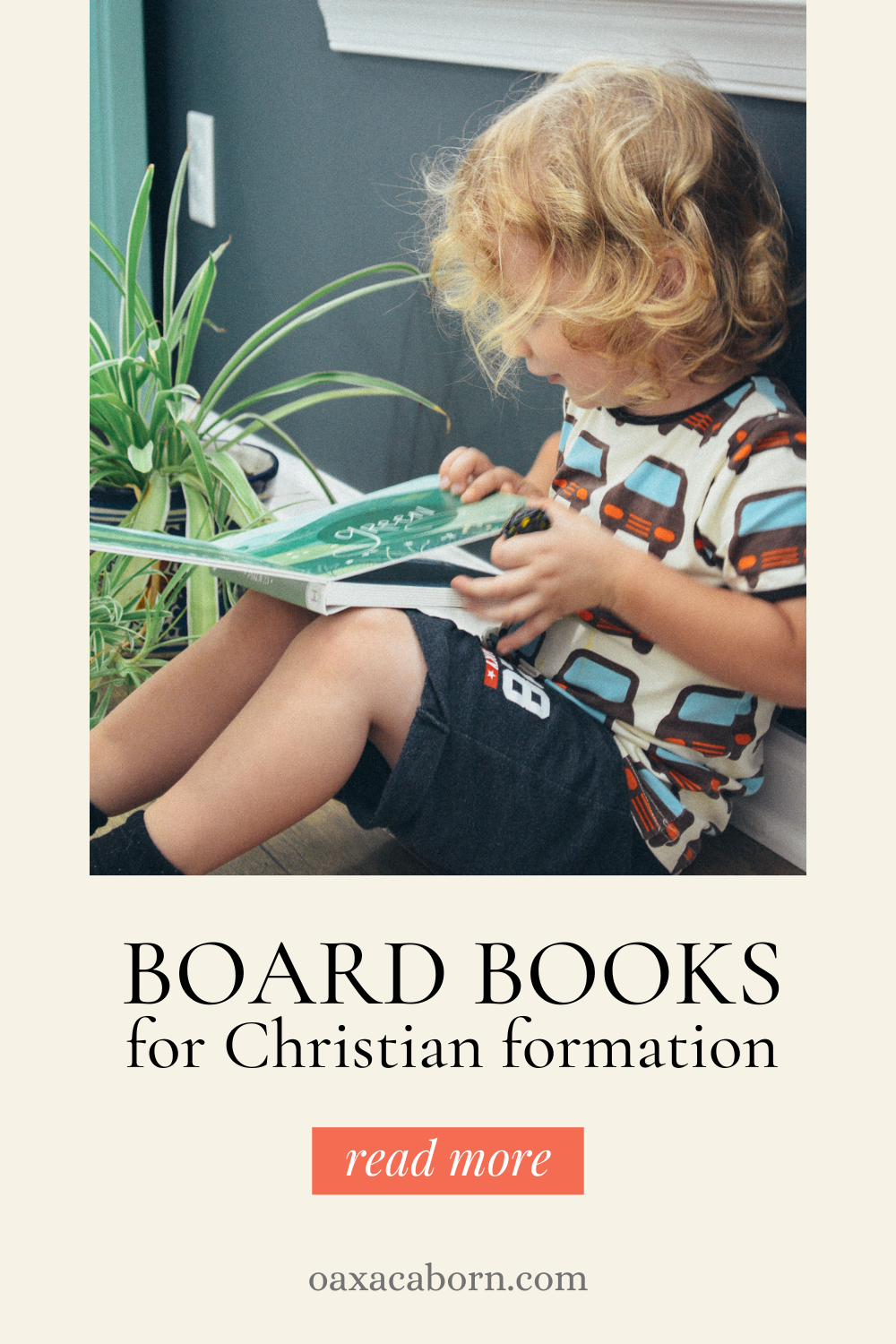
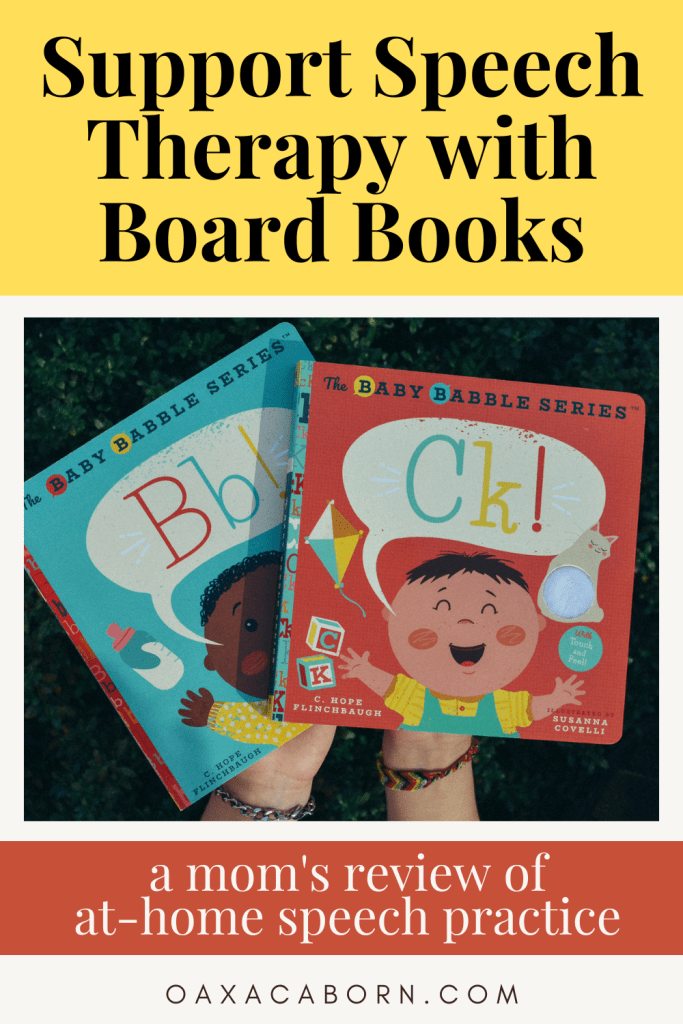
I’ve been reviewing quite a few board books lately, and I’m back with another round for the littles. These playful books are especially suited for infants, and bigger babies who aren’t quite toddlers yet.
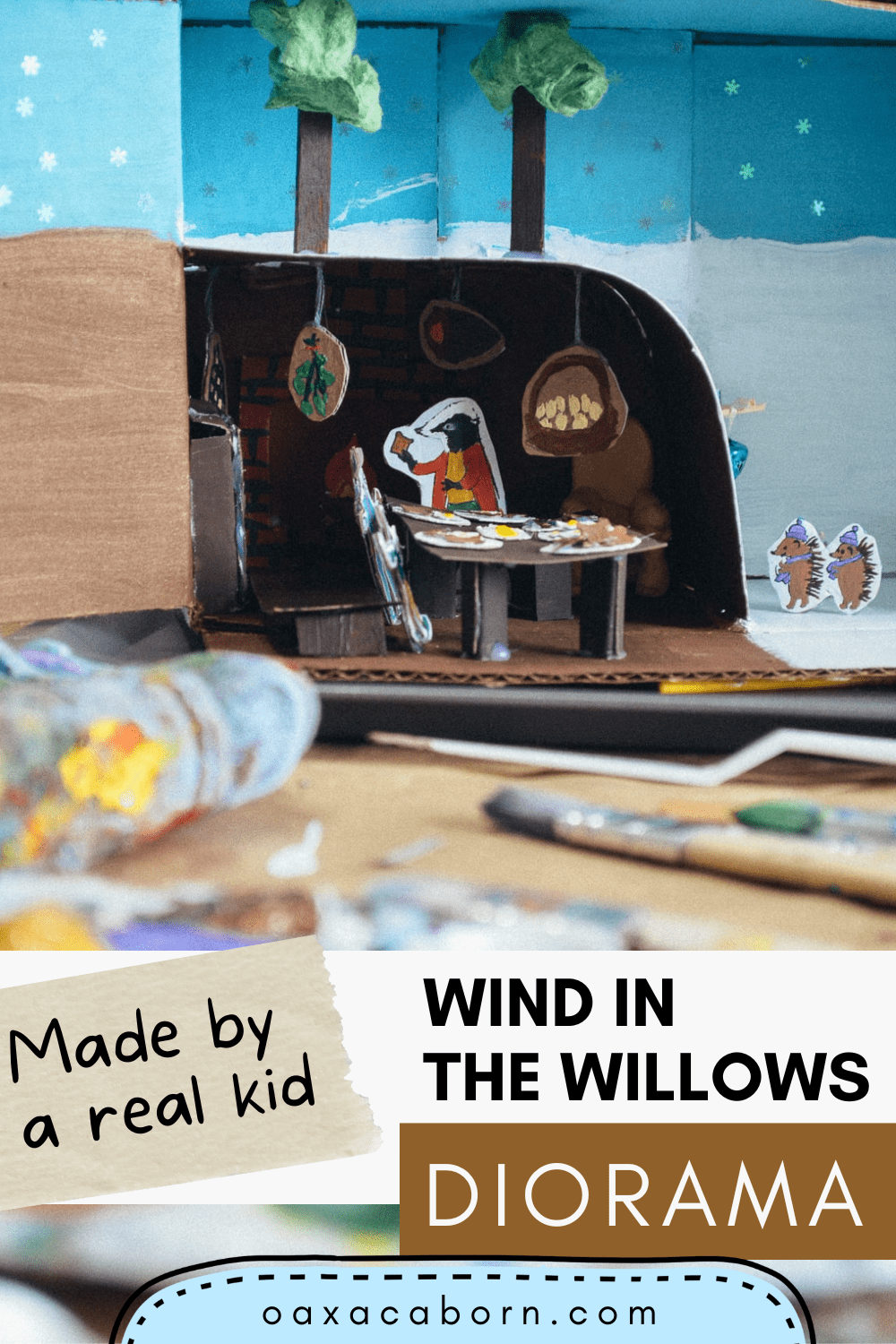
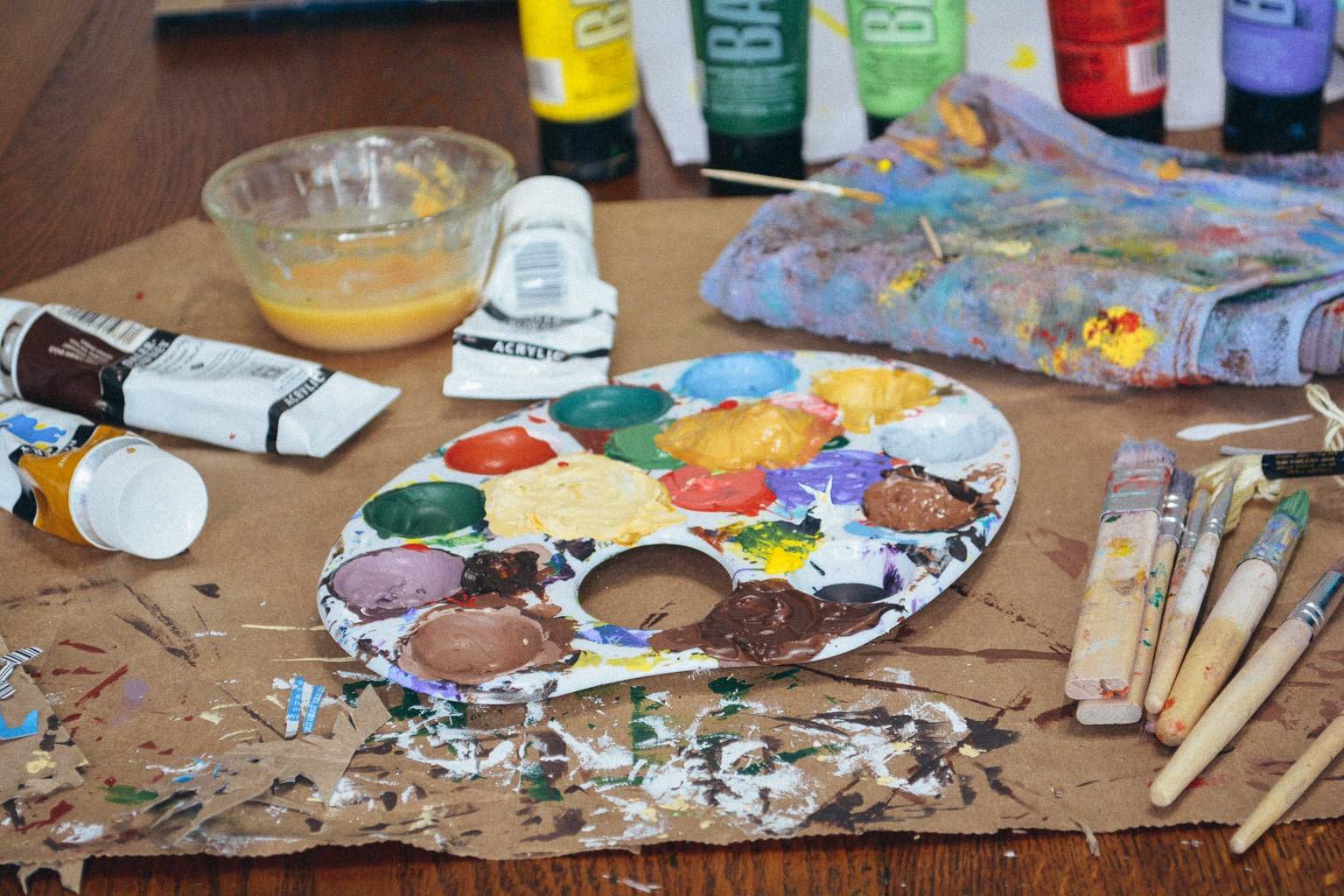
This weekend, my sixth-grader made an utterly enchanting Wind in the Willows diorama, jamming a whole delightful world into a tiny 9×6″ box. Since Thursday night, our kitchen table has been host to a glorious assortment of cereal boxes, cotton balls, glue, thread, acrylic paint, and a whole lot of happiness.
The new school year tumbles in, with torrential rains, soaked earth, and flickering electric power. Online classes begin, with technology connecting us to classrooms in Serbia and Romania, classmates in Ethiopia and the United States, and language studies in Russian, Chinese, and Greek.
STEM education has been firmly in the spotlight for a long time now, with no signs of wavering. Learning materials promising to infuse science, technology, engineering and math into your homeschool are everywhere. But without actually opening the box and trying the products, it can be hard to know if pre-packaged STEM projects are truly worthwhile, or if they’re just really expensive toys masquerading as educational. Let’s take a look at one popular STEM toy and see if it’s worth the hype.
Did the pandemic increase speech delays? Some researchers say yes.
According to several recent studies, pandemic-era children are talking less than their predecessors1. As a parent to a pandemic toddler — Lochlan turned six months old in March 2020 — this concerns me deeply.
I’m not an expert in speech pathology, but some data seems to show both a measurable uptick in referrals to speech therapy2 and “a decline in verbal functioning”.1 One starts to wonder if maybe the kids are not okay3 in our current pandemic-response environment. (Researchers in at least one study indicated “factors related to the pandemic had ‘by far the greatest impact on infant and toddler neurodevelopment.'”1 )
It’s easy to feel helpless when the the broader global situation remains so complex and convoluted. But there is an immediately actionable response in our grasp: read books aloud, and talk to our kids!
When I was a girl, the grocery stores started to run out of food.
They didn’t tell you that, because it was a corner of the world you’re not supposed to understand, and they don’t tell you how to become a writer, either. Everyone is supposed to become a reader — they tell you that in school — but it remains a mystery how some readers are able to metamorphose into writers.
After all, the writer concerns himself with not just the reason why civilizations fall, but also the American supermarket, the meaning in dappled bananas on the counter at sunrise, the effervescence of this present moment, and using words incorrectly.
No one teaches you how to be writer, except maybe poets and historians.
Pre-K at home with good books and hands-on lessons
Homeschoolers are opinionated when it comes to early childhood education. All you have to do is mention preschool or pre-kindergarten in a room full of homeschool moms, and you’ll instantly find yourself the recipient of a ton of free advice — whether or not you want it.
One of the most common bits of advice is to let kids play.
[Disclosure: Sonlight provided me with a History / Bible / Literature D: Intro to American History, Year 1 of 2 package, and compensated me financially for this post. I have used many Sonlight products in our homeschool prior to reviewing this product. All opinions — and photographs! ;) — are my own, and I was not required to write a positive review.]
If there’s one thing I’ve excelled at in our homeschool, it’s procrastinating over choosing a US History curriculum.
As a third-culture missionary kid born abroad, teaching US history has never come naturally to me. When I was young, American history seemed worlds away, and even as an adult, I often still feel like an outsider.
I have zero patience for dry legalist curriculum which holds the Founding Fathers on faultless pedestals, doesn’t consider both sides of a story, and ignores the sorrowful brokenness of our nation’s foundations. (Second-generation homeschoolers, you know what I’m talking about!)
But I knew my own kids couldn’t just skip learning the complicated history of our nation. Eventually, we had to dive in. Having spent my early childhood years in a socialist republic without the freedom of speech, religion, or assembly, I’ve learned that no matter how complex US history is to navigate, we must never take such invaluable freedoms for granted. So I needed to find a complete American history curriculum, especially after my own previous unsuccessful attempts to piece together a literature-based US history course always fizzled out.






 The Oaxacaborn Blog